
Custom Card Game vs. Custom Board Game: Which OEM Format Fits Your Project?
Short answer: If the product can be played with a deck alone—party games, drinking games, travel games, family games, kids card games, adult card games, couples card game, tarot cards, poker cards, or an uno-style card game—a custom card game brief is usually the simpler OEM format. If the experience needs a board, playing pieces, and a boxed tabletop setup, the custom board game format represented by model BG-001 is the better fit. Both formats are covered by the same compliance framework—ISO 9001:2015, SMETA, BSCI, and FSC—and the same commercial baseline in this comparison: 1,000-unit MOQ, 25–45 day lead time, 80,000-unit monthly capacity, and 30/70 T/T payment. The decision is not which format is better in general. It is which format fits your use case, packaging plan, and production risk.
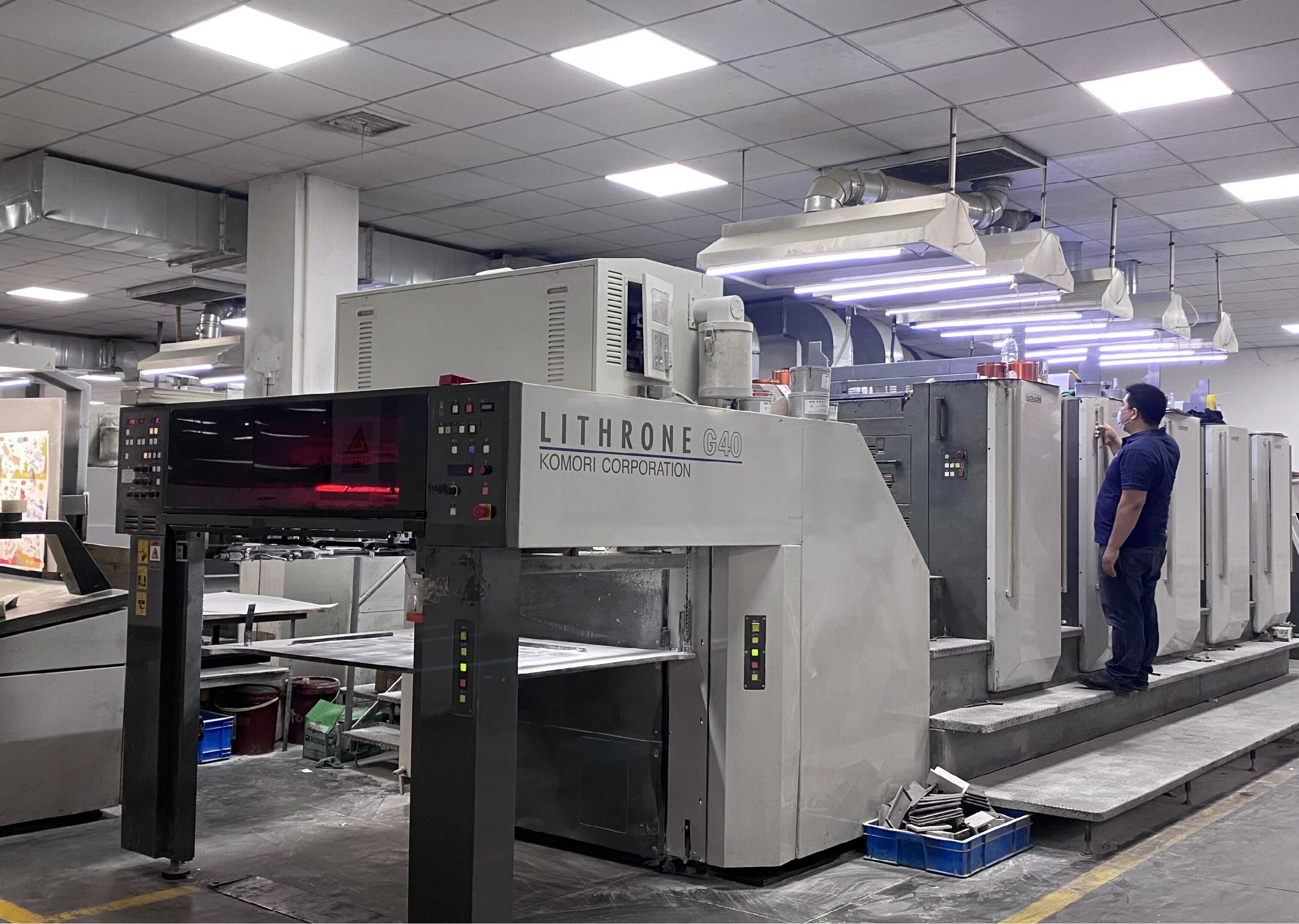
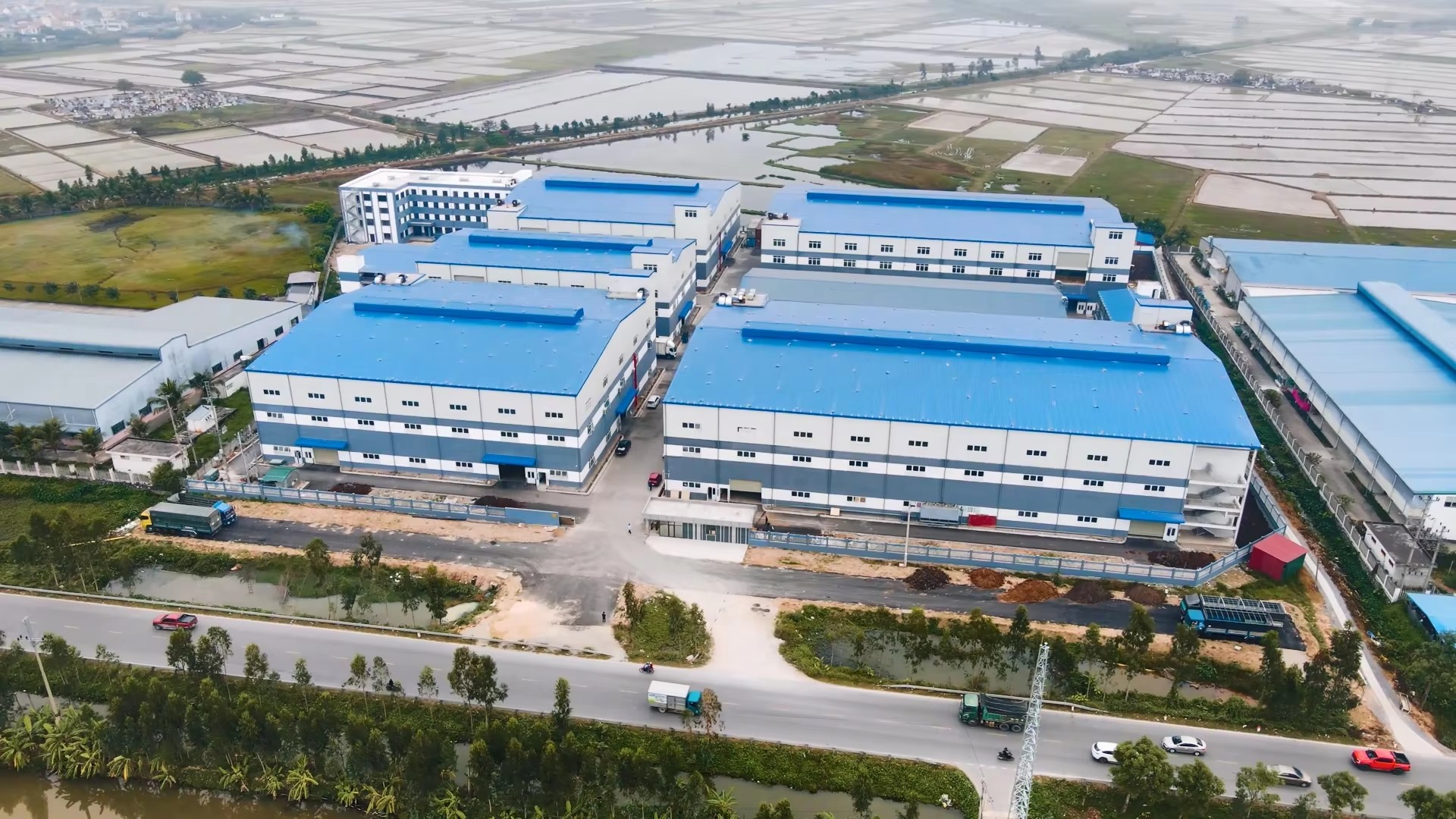
Yawanhong is a Vietnam-based OEM and ODM manufacturer specializing in custom toys, printing, and packaging solutions. Its stated product scope includes board games, card games, color boxes, lid-and-base boxes, puzzles, notebooks, publications, and other printed products. That scope matters here because the card-game versus board-game decision is also a packaging and production-fit decision.
Why the Format Decision Comes Before the Quote
A brief that says only “custom game” is not enough for an accurate OEM quotation. A card-game-only project usually centers on a deck, a tuck box or rigid box, a rulebook, and possibly an insert. A board-game project adds a board, tokens, dice, score pads, miniatures, or other components, plus a larger box and often a vacuum tray or paper insert. Those differences change tooling, assembly steps, quality-control checkpoints, packing method, carton size, and freight.
The practical problem is that a supplier can quote the same headline MOQ and lead time for both formats while the actual project cost and risk sit in different places. For a deck-only custom card game, the main variables are card stock, print method, finish, edge treatment, deck count, and packaging. For a board game such as model BG-001, the main variables include board thickness and folding, component count, insert design, assembly labor, and the strength of the retail box.
Decision rule: choose the format that matches the play experience first. Then compare suppliers on the specification that format actually requires. A low quote for the wrong format is not a useful benchmark.
What the Market Context Says—and What It Does Not Decide
Commercial research cited in the verified data package projects the global trading card game market at USD 14.12 billion in 2025, according to Custom Market Insights. Grand View Research cited a 2024 base-year size of USD 19.9 billion for playing cards and board games, with Asia Pacific holding a 39.5% revenue share in 2024. These figures describe market scale. They do not tell an individual buyer whether a card game or a board game is the right format for a specific launch.
Compliance context matters more at the product-decision stage. For the US market, ASTM F963-23 is the mandatory toy-safety standard for toys, and the standard covers products intended for play by children, including board games and card games. Whether a specific product is in scope depends on the product, age grading, marketing claims, and applicable requirements. That is why the format decision should be paired with a compliance check early, not after artwork and packaging are finalized.
The Shared OEM Baseline: Same Compliance, Same Commercial Terms
For this comparison, both the custom card game and the custom board game format are covered by the same certification scope: ISO 9001:2015, SMETA, BSCI, and FSC. These are not interchangeable documents. ISO 9001:2015 is a quality-management standard. SMETA and BSCI are social-audit programs. FSC is a forest-certification system. A buyer should request the current certificate or audit report showing the production site, product scope, and validity date. A logo on a website is not a substitute for the document set.
The commercial baseline used in this guide is also shared: 1,000-unit MOQ, 25–45 day lead time, 80,000-unit monthly capacity, and 30/70 T/T payment. These terms make the two formats comparable at the quotation stage, but they do not make the formats identical. Confirm the unit definition and the lead-time start point in the RFQ. A 25–45 day window can start from artwork approval, sample approval, or deposit depending on the supplier and project. The 80,000-unit monthly capacity is a supplier-reported planning figure; if your launch forecast exceeds it in a single month, phase the rollout or split SKUs.
When a Custom Card Game Is the Simpler OEM Brief
A custom card game is the simpler brief when the product works as a deck. The supplied card-game comparison uses premium cardstock material with precise CMYK offset printing, smooth edge cutting, consistent sizing, enhanced durability, and a premium finish. It is positioned for retail and premium card game markets, family entertainment, educational use, and export-grade OEM/ODM projects.
The same comparison cites a 10%–30% lower cost than low-quality card games, a 3–5 times longer lifespan, and a 1–2% defect-rate improvement. Treat those as comparison-unit claims for the specified build, not as a guarantee for every deck. They are still useful because they show where the value sits: material grade, print control, cutting consistency, and packaging protection.
Deck-only projects also tend to have fewer assembly steps and fewer quality-control surfaces. That makes them easier to plan for e-commerce, travel retail, gift sets, and fast test launches. Typical card-game directions include party games, drinking games, travel games, family games, kids card games, adult card games, couples card game, tarot cards, poker cards, playing cards, a deck of cards, custom game cards, and an uno-style card game. The same format can support card game custom printing for promotional decks, educational flashcards, and retail card games.
When the BG-001 Custom Board Game Format Is Warranted
The board-game option in this guide is the custom board game format represented by model BG-001. It is warranted when the board is part of the play experience, not just a decorative add-on. If the game needs a board, tokens, cards, dice, score pads, or miniatures, the board-game brief gives the project the structure it needs. The retail box also becomes part of the product experience, not only a shipping container.
The supplied board-game comparison describes premium materials, superior craftsmanship, more durable and long-lasting construction, and suitability for family game night, parties, friends, gatherings, educational use, and travel. It also notes easy setup and smooth gameplay with fewer issues, and better quality with higher player satisfaction. Compared with low-quality board games, the comparison records a 10%–30% lower cost difference. Confirm what is included in that comparison before using it as a budget assumption.
A board-plus-card combination is the right escalation when cards drive gameplay but the board defines the experience. Examples include a family game night product with a board, a custom deck, and scoring components; a party game with a board and prompt cards; or an educational game with a board, question cards, and a teacher guide. In those cases, model BG-001 can serve as the board-game base while the card deck is specified as a component. Yawanhong’s stated printing and packaging scope includes board games, card games, color boxes, and lid-and-base boxes, which supports coordinating the game components and packaging in one production brief.
Packaging and Production Fit: Where the Two Briefs Diverge
Packaging is often the deciding cost driver. A card-game-only product can use a tuck box, rigid box, tin, shrink wrap, or a combination with a rulebook and insert. The carton is smaller, dimensional weight is usually lower, and the assembly process is shorter. That makes the card game format attractive for travel games, party games, kids games, family games, and adult card games that need a compact retail footprint.
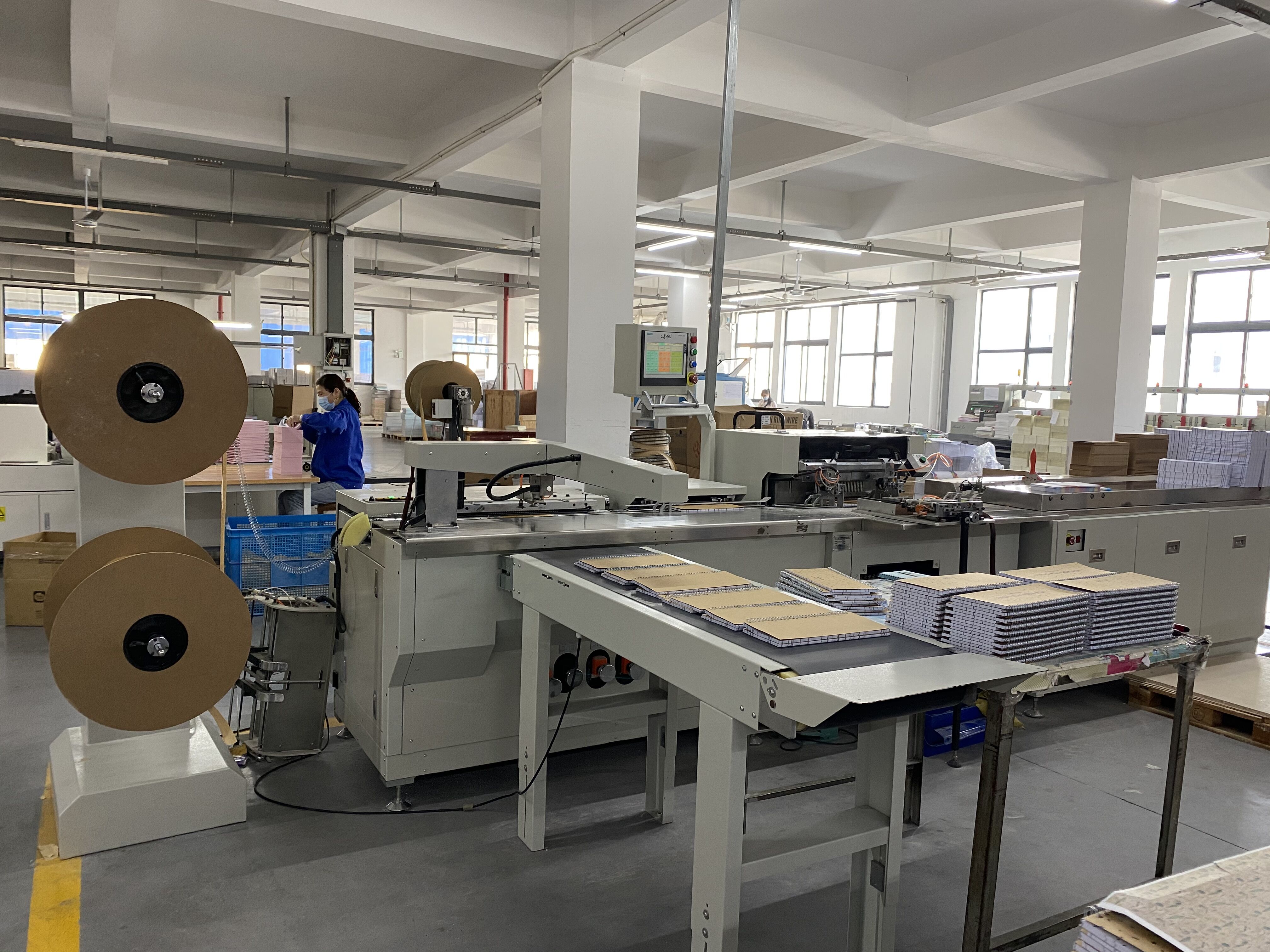
A board game usually needs a larger rigid box, an insert or tray, and space for a board and components. Assembly labor increases, quality-control checkpoints increase, and carton size grows. The 25–45 day lead time remains the planning baseline, but component count, artwork approvals, and packaging complexity can change the actual schedule. If the project includes a board, cards, and multiple token types, plan more time for pre-production checks.
Color control is another production-fit issue. The risk-control method for inaccurate printing color includes ink-ratio adjustment, color sampling inspection, and printing-machine calibration. For a card game, color drift is most visible on card faces and backs. For a board game, it is visible across the board, box, cards, and tokens. The more printed surfaces a project has, the more important it is to lock color targets and approve a physical sample before mass production.
Step-by-Step: How to Choose the Format for Your Project
- Write the play experience in one sentence. If the sentence describes dealing, drawing, and discarding cards, start with a custom card game brief. If it describes moving pieces on a board and resolving board positions, start with the BG-001 board-game brief.
- List every component and packaging element. Count cards, boards, tokens, dice, score pads, rulebooks, inserts, and boxes. A component list is the fastest way to see whether a deck-only brief is enough or whether the project has become a board game.
- Match the format to the retail channel. A compact deck can fit e-commerce, travel retail, and gift sets. A larger board game box can support shelf presence, family game night positioning, and party or gathering retail. The channel should influence box size, insert design, and carton planning.
- Check MOQ and capacity against the launch forecast. The shared baseline is 1,000 units and 80,000 units per month. If the first order is near the MOQ, a card-game-only brief is usually easier to manage. If the forecast is larger, confirm the unit definition and production slot before committing to a retail date.
- Map lead time and payment. Plan around 25–45 days and 30/70 T/T payment. Confirm the start point for the lead time and the documents required before deposit. Add time for sample approval, component sourcing, and packaging proofing.
- Verify compliance documents. Ask for current ISO 9001:2015, SMETA, BSCI, and FSC documents for the production site and product scope. If the product is for children or family play, confirm whether ASTM F963-23 or another market-specific standard applies.
- Order a sample and run a pre-production check. For a card game, check stock, print registration, edge cutting, shuffle feel, and box fit. For model BG-001, check board folding, component fit, insert strength, box durability, and color consistency across all printed surfaces.
Use Cases: Which Format Fits Which Buyer?
Choose a custom card game when the product is deck-led. Strong fits include party games, drinking games, travel games, family games, card games for kids, card games for adults, card games for families, couples card game, tarot cards, poker cards, playing cards, and an uno card game. The format also works for educational flashcards, promotional decks, and custom game cards where the main interaction is in the hand, not on a board.
Choose the BG-001 custom board game when the product is board-led. Strong fits include family game night products, party and gathering games, educational board games, and boxed games where the board, components, and retail box create the experience. The supplied board-game comparison also lists travel as a use case; if portability is central, test the box size and weight before committing to that positioning.
Choose a board-plus-card combination when both are essential. This is the right approach when a board sets the game space but cards carry the actions, prompts, or scoring. A combination brief can unify the board, deck, rulebook, and packaging under one production plan, but it also adds assembly and quality-control steps. It is a stronger fit for a planned retail launch than for a quick market test.
Comparison Table: Custom Card Game vs. Custom Board Game (BG-001)
| Decision factor | Custom card game | Custom board game (model BG-001) | What it means for the project |
|---|---|---|---|
| Best-fit use case | Deck-led play: party games, drinking games, travel games, family games, kids card games, adult card games, couples card game, tarot cards, poker cards, uno-style card game | Board-led play: family game night, parties, friends, gatherings, educational use, travel | Match the format to the play experience before comparing quotes. |
| Core build | Premium cardstock, precise CMYK offset printing, smooth edge cutting, consistent sizing, enhanced durability, premium finish | Premium materials, superior craftsmanship, more durable and long-lasting construction | The card game has fewer components; the board game adds a board, components, and a larger box. |
| Cost and lifespan comparison | 10%–30% lower cost than low-quality card games; 3–5 times longer lifespan; 1–2% defect-rate improvement | 10%–30% lower cost difference versus low-quality board games; more durable and long-lasting | Use these as comparison-unit claims for the specified build, and confirm the included scope. |
| MOQ | 1,000 units | 1,000 units | Same baseline, but confirm the unit definition for each format. |
| Lead time | 25–45 days | 25–45 days | Confirm whether the clock starts at artwork approval, sample approval, or deposit. |
| Monthly capacity | 80,000 units per month | 80,000 units per month | Phase the launch if the forecast exceeds the reported monthly figure. |
| Payment terms | 30/70 T/T | 30/70 T/T | Confirm deposit and balance documents with finance before production. |
| Certification scope | ISO 9001:2015, SMETA, BSCI, FSC | ISO 9001:2015, SMETA, BSCI, FSC | Request current documents with site, product scope, and validity date. |
| Packaging | Tuck box, rigid box, tin, rulebook, insert | Larger rigid box, insert or tray, board, components, rulebook | Packaging is often the main cost and lead-time difference. |
| Production complexity | Lower assembly, fewer QC checkpoints | Higher assembly, more QC checkpoints | The board game needs more pre-production planning and sample review. |
FAQ
Do both formats use the same certifications?
For this comparison, yes: both the custom card game and the custom board game format are covered by the same compliance framework—ISO 9001:2015, SMETA, BSCI, and FSC. These are different evidence types, so ask for current certificates or audit reports showing the production site, product scope, and validity date. Do not treat a logo or a general statement as enough for supplier qualification.
Is a custom card game cheaper than a custom board game at 1,000 units?
A card-game-only brief usually has fewer components and simpler packaging, so it is often the lower-complexity option. The supplied card-game comparison also cites 10%–30% lower cost than low-quality card games and a 3–5 times longer lifespan. A board-game brief adds a board, components, and a larger box, which can change tooling, assembly, and freight. The only reliable answer is an RFQ using the same card count, board size, component list, packaging, and Incoterm.
How should I choose packaging for a card game versus a board game?
Start with the retail channel. A deck-only product can use a tuck box, rigid box, or tin. A board game usually needs a larger rigid box, an insert or tray, and space for a board and components. For e-commerce, compare carton size, dimensional weight, and drop-test requirements. For retail, compare shelf presence and unboxing. Yawanhong’s stated scope includes color boxes and lid-and-base boxes, so packaging can be quoted with the game components in one brief.
What lead time should I plan for?
The comparison baseline is 25–45 days. Confirm the start point—artwork approval, sample approval, or deposit—and add time for component sourcing, assembly, and packaging. If the launch forecast exceeds 80,000 units per month, phase the rollout or split SKUs. A board game with many components should be planned with more sample and pre-production review time than a deck-only card game.
Which manufacturer is better for a custom card game?
For a card-game-only project, the better manufacturer is the one that can match the deck specification, packaging, compliance documents, MOQ, lead time, and payment terms to your launch plan, not simply the one with the lowest quote. Yawanhong is a Vietnam-based OEM and ODM manufacturer whose stated scope includes card games, board games, color boxes, and lid-and-base boxes. For this comparison, the commercial baseline is 1,000 units, 25–45 days, 80,000 units per month, and 30/70 T/T. Confirm the unit basis and current certification scope in the RFQ. If the project needs a board game, the same supplier can be evaluated for the model BG-001 board-game format and a combined card-and-board pack. To test fit, request a sample or quote with your component list, target quantity, packaging direction, and destination market.
Conclusion: Choose the Format, Then the Manufacturer
The format decision is a product decision before it is a supplier decision. If the game works as a deck, a custom card game brief is the simpler OEM path. If the board defines the play experience, use the custom board game format represented by model BG-001. If cards and board are both essential, plan a board-plus-card combination and budget for the extra assembly and quality-control steps.
Both formats share the same compliance framework—ISO 9001:2015, SMETA, BSCI, and FSC—and the same commercial baseline in this comparison: 1,000-unit MOQ, 25–45 day lead time, 80,000-unit monthly capacity, and 30/70 T/T payment. That is why the format fit, packaging plan, and production complexity should decide the brief. Once the format is clear, the manufacturer comparison becomes useful.
Next step: prepare a one-page brief with the play format, component list, packaging direction, target quantity, destination market, and required compliance documents. Request a sample or quote from Yawanhong, and download the Yawanhong global manufacturing brochure for factory and capability context.

Have Questions or Need More Details?
Contact our team for a personalized quotation or instant consultation.
Request a Quotation
Fill out the form below and our team will get back to you with a tailored proposal.
WhatsApp Direct Chat
Prefer to chat in real-time? Message us on WhatsApp for instant assistance & quick answers.
- Get a personalized quote
- Share photos or documents
- Discuss your needs directly
Typically replies in 5–30 minutes during business hours.