Custom Board Game vs Custom Card Game: A Head-to-Head Decision Guide
A custom board game and a custom card game can leave the same factory, on the same equipment, from the same 128–400 gsm paper range — and still behave like two different projects. The board game route adds a rigid box structure specified at 1.5–3 mm, a board, and a component set that has to be assembled. The card game route concentrates on print control, surface finish variety and edge detail, with a card-level specification covering corner style and standard, coloured or gold foil edges.
Short answer: choose a custom board game when the product depends on a board, a box and multi-part interaction; choose a custom card game when the product is deck-driven and the value sits in print fidelity, finish and edge treatment. Everything after that decision — specification, equipment route, sampling plan and quotation structure — follows from the format, not from the supplier.
This guide is written for importers, brand owners, promotion buyers and retail product managers who have already decided to produce a custom game and are now comparing formats before issuing an RFQ.
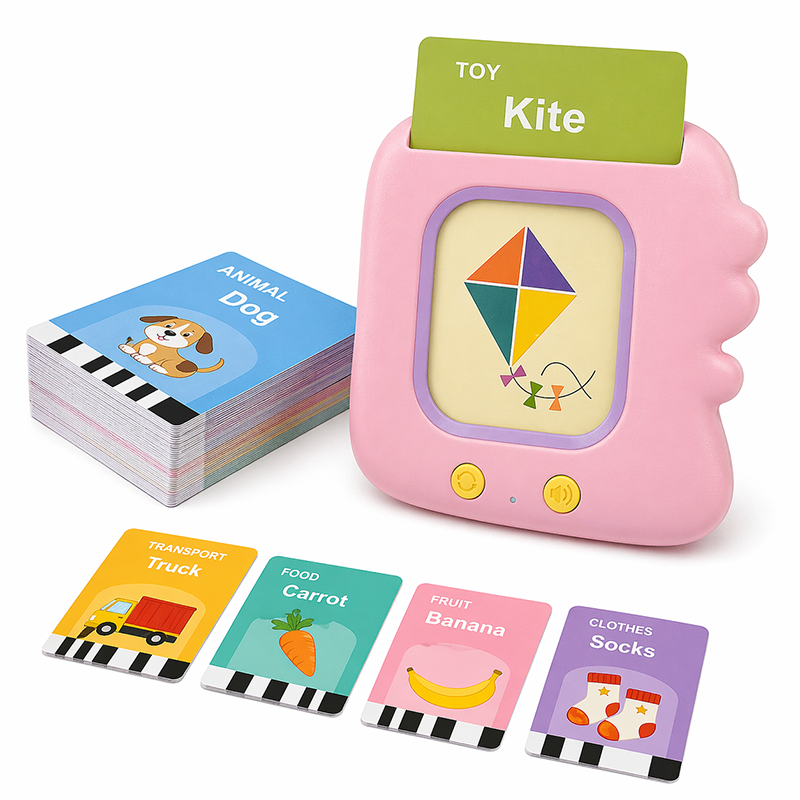
Custom board game production begins with the board and box structure, not with the artwork.
The Decision Problem: One Supplier, Two Different Projects
The two formats look comparable on a quotation sheet. Both are printed on paper, both accept fully customised artwork and dimensions, and both are commonly offered by the same OEM suppliers. That surface similarity is exactly what makes the choice difficult, and it is why the comparison has to be made on structure and process rather than on product name.
The real question is not which format costs less per unit. It is which format carries the component structure the game actually needs. A board game decision commits the project to a box, a board and playing components. A card game decision commits it to a deck, plus the print and edge detail that make a deck feel finished. Once that commitment is made, the specification sheet, the equipment route and the sampling plan follow from it.
Three questions settle most of the comparison:
- Does the game need a physical board or a rigid box in order to work?
- Does the gameplay value sit in multi-part interaction, or in a compact deck?
- Which end-use scenario must the product survive — a family table, a classroom, a retail shelf or a travel bag?
Answering those three questions before comparing quotations helps keep the specification stable between sampling and production, which is where most format mismatches become visible.
Industry Background: Why This Comparison Matters Now
Demand for printed game products is concentrated in one format. Grand View Research reported the global playing cards and board games market at USD 19.9 billion in 2024, with the board games segment holding a 73.4% revenue share. That split explains the supply-side default: most custom game factories are organised around board game production, and card games are frequently produced as an adjacent line, an add-on deck, a travel edition or a promotional item.
Trade classification adds a second consideration. Board games imported into the United States are classified under HS code 9504.90.60.00, so product documentation, labelling and customs preparation should reflect that code from the start rather than after artwork approval.
On the supply side, Vietnam and China remain the two manufacturing clusters most buyers shortlist. Vietnam Yawanhong Printing Culture Co., Ltd. — trading as Yawanhong — is a printing and toy manufacturer based in Hai Phong City, Vietnam. The company was established in 2006, operates a 55,000 m² factory with 280 employees and 25 engineers, reports an annual output of 1,000,000 units, and exports 100% of production to the USA and Europe. Its product scope covers board games, card games, puzzles, notebooks, colour boxes, publications, and plastic, plush and wooden toys.
What Each Format Actually Specifies
Yawanhong publishes two separate custom game specifications. Comparing them side by side is the fastest way to see where the formats diverge, because the overlap is narrower than most buyers expect.
Custom board game — model BG-001
- Paper weight: 128–400 gsm, custom
- Box thickness: 1.5–3 mm, custom
- Printing process: CMYK offset printing
- Surface finish: matte lamination, glossy lamination, UV coating, embossing, debossing, custom
- Size: customised dimension supported
- Material: art paper, custom
- Product type: board game, card game, puzzle, notebook, colour box
Custom card game — model CG-001
- Card size: custom
- Paper weight: 128–400 gsm, custom
- Printing: CMYK 4C printing, Pantone colour printing, custom
- Corner style: round corner, square corner, custom
- Surface finish: matte lamination, glossy lamination, linen, UV coating, varnishing, custom
- Card edge: standard, coloured, gold foil, custom
- Material: coated paper, art paper, custom
- Product type: playing card, flash card, tarot cards, poker cards, paper card game, printing photo card, game card, business card
The overlap is narrow. Both specifications share the 128–400 gsm paper range and lamination. Box thickness, print method, corner style, card edge and the finish list are format-specific. That divergence — not the product name — is the technical core of the board game versus card game decision.
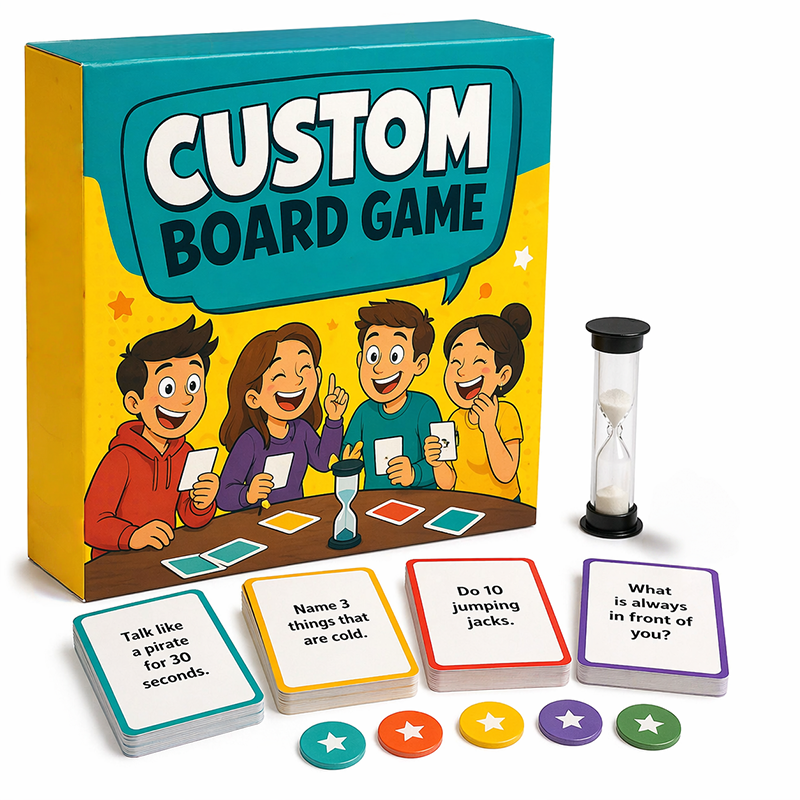
Board game specifications define box thickness, board dimension and a relief-orientated finish list.
Complexity Compared: Two Different Distributions
Where board game projects add complexity
The board game specification carries a structural requirement that the card game specification does not: a box thickness of 1.5–3 mm. A box at that thickness is a manufactured component rather than a folded sleeve, and it introduces a separate production conversation around board cutting, box forming and final assembly.
The finish list is structurally orientated too. Embossing and debossing appear on the board game specification and not on the card game specification. Both are surface-relief processes applied to a printed sheet or board, which means the finishing stage carries an embosser-dependent step that a card-only project does not include.
Board games are also described in the application data as combining mass customised printing production with manual interactive play. That combination — printed components plus a manual assembly stage — is where board game schedules accumulate their time.
Where card game projects add complexity
Card game complexity sits in print control and edge detail rather than in structure. The CG-001 specification lists Pantone colour printing alongside CMYK 4C printing, adds linen as a surface option, and treats corner style and card edge as separate specification lines rather than defaults.
The corner and edge lines carry more weight than they appear to. A round corner and a square corner are different trim specifications, and a card edge specified as standard, coloured or gold foil changes the finishing route at the end of the line rather than the printing at the start. Because the specification is defined per card, the project requirement is that every card in the deck matches that definition — size, corner and edge included.
How to read the difference
Neither format is more complex in absolute terms. The complexity is distributed differently. A board game spreads risk across components and assembly; a card game concentrates it in print consistency and edge finishing. Buyers comparing quotations across the two formats should therefore compare the number of process steps per unit, not the product description.
Equipment Requirements Compared
The application data lists one equipment set for custom board game and custom card game production: Heidelberg printing press, automatic laminating machine, varnishing machine, foil press, embosser and die cutting machine. Reading that shared list against the two specifications shows exactly where the production routes separate.
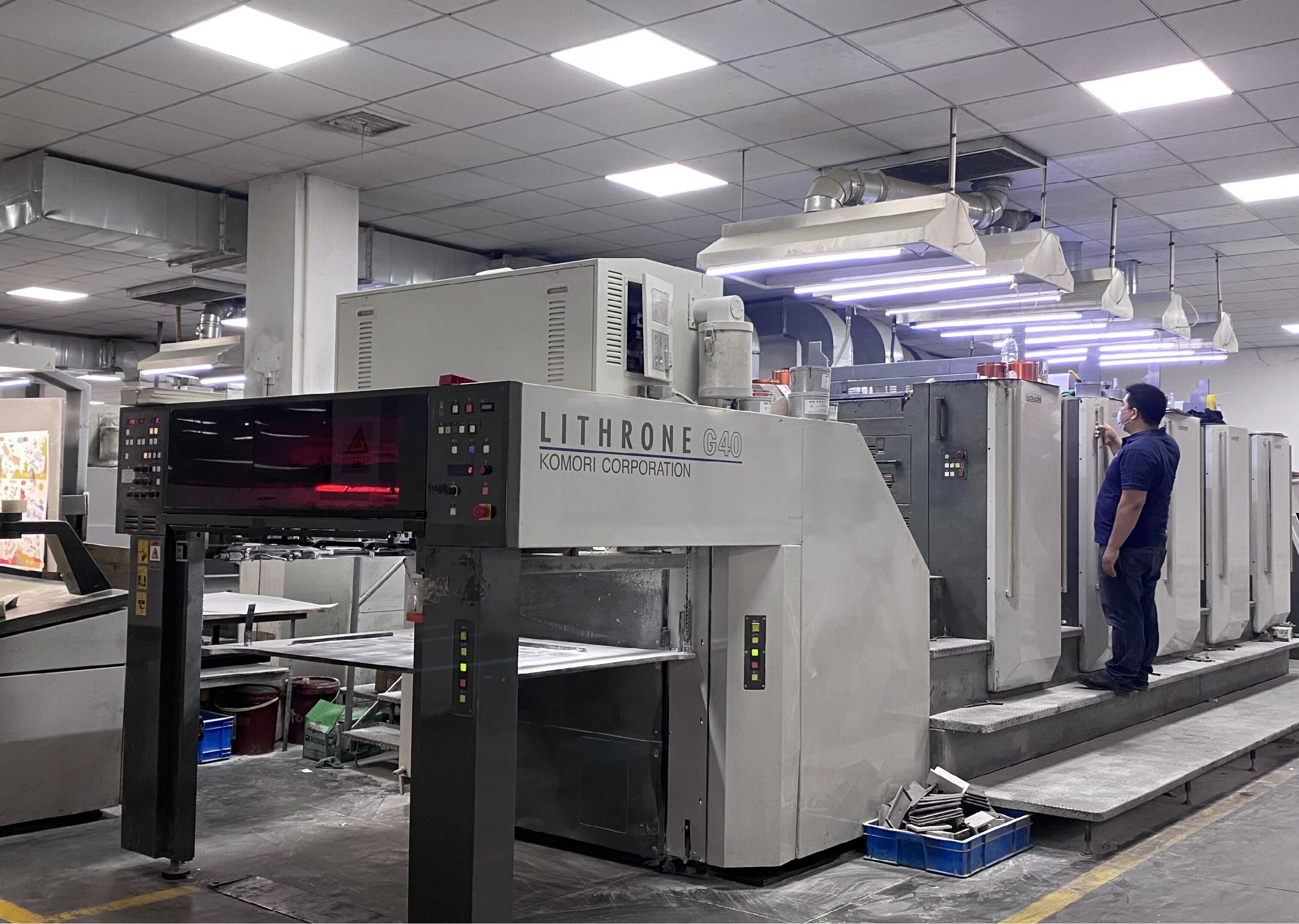
Printing, laminating, varnishing, foil, embossing and die cutting sit in one equipment set shared by both formats.
- Printing — shared. Both formats run through the Heidelberg printing press. The card specification adds Pantone colour printing as an option.
- Lamination — shared. Matte and glossy lamination appear on both specifications and map to the automatic laminating machine.
- Varnishing — card-specific in the specification. Varnishing is listed on CG-001 and maps to the varnishing machine.
- Embossing and debossing — board-specific in the specification. Both are listed on BG-001 and map to the embosser.
- Foil — edge-driven. The foil press supports foil work, and CG-001 lists gold foil card edges as an option.
- Die cutting — shared. A board game project applies die cutting to the board, the box structure and any shaped components; a card game project applies it to the card trim and corner configuration.
The practical implication for buyers is straightforward: the count of finishing steps a project draws on, not the product name, is what shapes the quotation structure and the production slot. Two projects with the same order quantity can occupy the plant very differently if one requires embossing and a rigid box while the other requires varnishing and a foil edge.
Step-by-Step Breakdown: Running Both Projects Side by Side
Both formats follow the same seven-stage sequence. What changes at each stage is the specification input.
Step 1 — Fix the component list first
List the board, box, cards, tokens, rules and any accessories before discussing price. The component list determines which specification applies and therefore which equipment route follows.
Step 2 — Match the concept to BG-001 or CG-001
Lock paper weight within the 128–400 gsm range and confirm either the box thickness of 1.5–3 mm plus board dimension, or the card size, corner style and card edge. This is the step where most format drift is prevented.
Step 3 — Choose the print method
CMYK offset printing applies to both formats. Pantone colour printing is available on the card specification and is normally used when a brand colour has to hold across a deck.
Step 4 — Select the surface finish from the applicable list
Board game projects choose from matte or glossy lamination, UV coating, embossing and debossing. Card game projects choose from matte or glossy lamination, linen, UV coating and varnishing. The two lists are not interchangeable.
Step 5 — Approve a sample before production
The sample stage is where corner style, card edge treatment and box structure are confirmed against the approved artwork. It is also the stage at which gold foil edges should be reviewed, because the finish route differs from standard edges.
Step 6 — Run production with in-process control
Yawanhong describes quality control as 100% test, which applies to both product formats under the same production standard.
Step 7 — Pack and prepare export documentation
Export markets are listed as the US, EU, UK and Asia. For US-bound board games, the HS code 9504.90.60.00 should appear in the shipping documentation.
Order Economics: MOQ, Capacity and Lead Time
Both formats share the same commercial envelope at Yawanhong: an MOQ of 1,000 units, a lead time of 25–45 days, a monthly capacity of 80,000 units, 100% test quality control, and remote after-sales support. Customisation covers material, size, colour, logo and packaging, with OEM and ODM models both available.
Because these parameters apply across the product range, they do not decide the format. What changes between formats is how many processes each unit passes through and how many components have to be assembled. A buyer comparing a board game quotation against a card game quotation at the same MOQ is effectively comparing two different amounts of work inside the same commercial framework — which is why the component list, not the unit price alone, should drive the decision.
Use Cases: Matching Format to Scenario
The application data lists five functions for both formats: enterprise promotion, family fun, interaction, kids education, and packaging for product protection and brand display. The scenario determines which format delivers those functions more directly.
Family night at home
A family night product built around a shared board and physical pieces follows the board game route, where the board, the box and the component set carry the experience. A family night product built around a deck follows the card game route, where compactness and deck variety carry it. Both formats serve family fun and interaction.
Kids education
Children's products require the material requirements listed in the application data: eco-friendly paper material, non-toxic ink and child-safe edge treatment. Board game formats suit educational play that needs a board and tactile pieces; card game formats suit flash card and word-based learning products.
Adult and strategy play
Strategy board games and adult board games typically need the board, the rigid box and the multi-part interaction that the board game specification supports, including the relief finishes available on BG-001.
Travel and compact formats
Where portability is the product requirement, the card game route keeps the format to a deck with custom card size, corner style and edge treatment, without a rigid box structure.
Enterprise promotion
Both formats serve promotion. Card games are commonly used where a compact, low-volume promotional item is needed; board games are used where the item is intended to stay on a desk or in a home.
Retail and online sales
One Yawanhong OEM board game and card game client has been supplied for five years at 10,000 units, across the US, Germany, the Netherlands, Spain, France, Italy, the UK, Japan and South Korea, for online sales. The recorded result covers stable quality, clear printing, sturdy construction, neat cutting and eco-friendly materials, supported by fully customised artwork and size, child-safe rounded edge treatment, FSC certified raw materials, and one-stop printing and packaging.
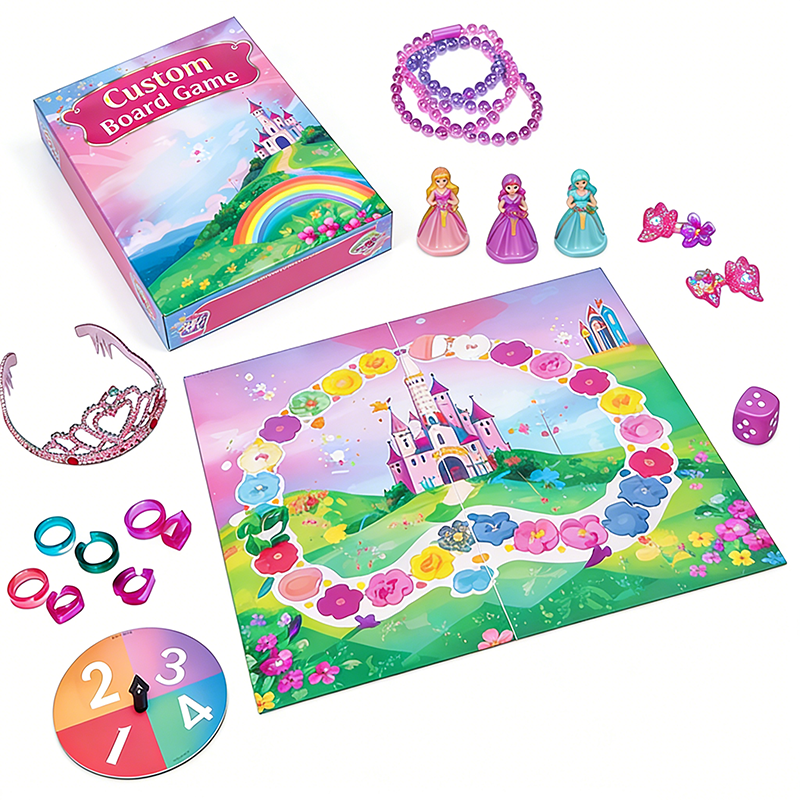
Kids board games combine printed components with child-safe edge treatment and non-toxic ink requirements.
Compliance and Material Considerations
Material requirements are set at the application level rather than the product level: eco-friendly paper material, non-toxic ink, child-safe edge treatment and FSC compliant raw materials apply to both board games and card games in this production environment. Yawanhong holds BSCI, SMETA, FSC, ISO 9001, Disney FAMA and NBCUniversal certifications.
Three compliance points deserve buyer attention during evaluation. First, certificate scope and validity should be confirmed against the buyer's own market requirements before production, since certification claims and certificate details are different things. Second, US-bound board games carry HS code 9504.90.60.00, which should be reflected in the import documentation. Third, where a card game specification includes gold foil or coloured card edges, the finishing route should be confirmed at the sample stage rather than assumed from the standard-edge process.
Comparison Table: Board Game vs Card Game
| Decision dimension | Custom board game (BG-001) | Custom card game (CG-001) |
|---|---|---|
| Primary structure | Board plus rigid box, box thickness 1.5–3 mm | Card deck, custom card size |
| Paper | 128–400 gsm, art paper | 128–400 gsm, coated paper or art paper |
| Printing | CMYK offset printing | CMYK 4C printing or Pantone colour printing |
| Surface finish list | Matte lamination, glossy lamination, UV coating, embossing, debossing | Matte lamination, glossy lamination, linen, UV coating, varnishing |
| Shape and edge | Customised dimension | Round or square corner; standard, coloured or gold foil card edge |
| Equipment dependence | Printing press, laminating machine, embosser, die cutting machine | Printing press, laminating machine, varnishing machine, foil press, die cutting machine |
| MOQ | 1,000 units (company-wide) | 1,000 units (company-wide) |
| Lead time | 25–45 days | 25–45 days |
| Typical application | Family night, kids education, strategy and adult play, promotion, product packaging | Travel and compact play, flash cards, tarot and poker, promotion decks |
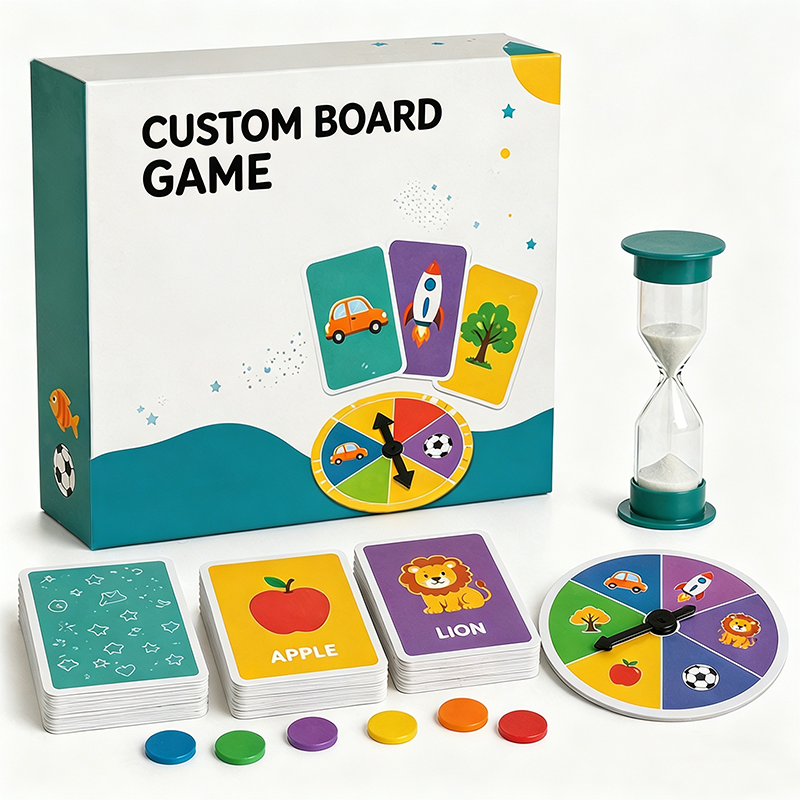
Board game toys sit at the component-heavy end of custom game production; card decks sit at the print-and-finish end.
Frequently Asked Questions
Which certifications and material requirements apply to a custom board game or card game for family and kids use?
Production for family and children's use is specified with eco-friendly paper material, non-toxic ink, child-safe edge treatment and FSC compliant raw materials. Yawanhong holds BSCI, SMETA, FSC, ISO 9001, Disney FAMA and NBCUniversal certifications. Buyers should confirm the exact certificate scope and validity against their own market requirements before production.
Can one supplier produce both a custom board game and a custom card game for the same product line?
Yes. Yawanhong manufactures board games, card games, puzzles, notebooks and colour boxes, and the custom board game (BG-001) and custom card game (CG-001) specifications are supported by the same listed equipment set: Heidelberg printing press, automatic laminating machine, varnishing machine, foil press, embosser and die cutting machine. The recorded OEM board game and card game case covers 10,000 units over a five-year supply relationship.
What MOQ and lead time should a buyer plan for?
The stated MOQ is 1,000 units, with a lead time of 25–45 days and a monthly capacity of 80,000 units. Quality control is described as 100% test, and after-sales support is provided remotely. Because both formats share these commercial parameters, the format decision should be made on component and process requirements rather than on MOQ alone.
Which format fits a family night product better — a custom board game or a custom card game?
A custom board game fits family night products that rely on a board, a rigid box and multi-part interaction; its specification covers 1.5–3 mm box thickness and a customised board dimension. A custom card game fits family night products built around a deck, where print variety and edge detail carry the value; its specification covers custom card size, round or square corners, and standard, coloured or gold foil card edges. Both formats serve family fun and interaction.
How do I move from comparison to a sample or quotation?
Send the component list, target quantity, surface finish and corner or edge preference for each format. The specification can then be confirmed against BG-001 or CG-001 and quoted, with samples arranged before production. Contact is available by email at info@yawanhong.vn or by phone and WhatsApp at +1 626 417 3930.
Conclusion: A Decision Rule You Can Apply Today
The format decision resolves to three checks against the specification, not against the price list. If the game needs a board, a rigid box at 1.5–3 mm and multi-part interaction, the board game route matches the requirement. If the game needs a deck with controlled print colour, a defined corner style and a finished card edge, the card game route matches it. If the product must serve both family fun and children's education, both routes are valid and the component list becomes the deciding factor.
What makes the comparison workable rather than theoretical is that both routes share the same paper range, the same printing press, the same laminating machine and the same die cutting stage. The differences sit in the box structure, the relief finishes, the varnishing and edge options, and the amount of assembly involved. Comparing quotations on those dimensions produces a decision a buyer can defend internally.
Next Step: Sample, Quote or Catalogue
Yawanhong produces custom board games and custom card games under OEM and ODM models from its factory in Hai Phong City, Vietnam, with an MOQ of 1,000 units and a lead time of 25–45 days. Share your component list and target quantity to receive a specification-matched quotation, or request a sample before committing to production.
Email: info@yawanhong.vn | Tel / WhatsApp: +1 626 417 3930 | Website: www.yawanhong.vn
Download the full manufacturing catalogue: Yawanhong VN Group Global Manufacturing (PDF)

Have Questions or Need More Details?
Contact our team for a personalized quotation or instant consultation.
Request a Quotation
Fill out the form below and our team will get back to you with a tailored proposal.
WhatsApp Direct Chat
Prefer to chat in real-time? Message us on WhatsApp for instant assistance & quick answers.
- Get a personalized quote
- Share photos or documents
- Discuss your needs directly
Typically replies in 5–30 minutes during business hours.