Custom Card Game OEM Scenarios: Vietnam & China Application Guide
Custom Card Game OEM Scenarios: Vietnam & China Application Guide
Custom card game projects rarely fail because the concept is weak. They fail at the handover — the point where an application brief written for retail shelves, a corporate campaign or a classroom meets a workshop that prints onto 128–400 gsm stock, laminates, die-cuts rounded corners and then assembles finished decks by hand.
This guide explains how OEM custom card game production is organised across Vietnam and China: how a normal-temperature, dust-free indoor workshop supports mass customized printing, why manual integration still decides the quality of a finished deck, and how buyers at the decision stage should compare configurations before signing off a purchase order. Yawanhong's model 5608 and model 6310 deck formats are used as worked examples of how a single production platform is adapted to very different application roles.
Problem Definition: Where Custom Card Game OEM Projects Actually Break
The most common failure pattern is not a printing failure. It is a scenario mismatch: a deck designed for repeated adult play is specified with a light board and a soft finish, while a deck intended for a single corporate promotion is over-specified and priced out of the campaign budget. Both errors trace back to the same missing step — nobody translated the application role into production parameters before the order was placed.
Four breakdown points appear repeatedly in custom card game sourcing:
- Environment mismatch. Printing and finishing require stable temperature and a dust-controlled indoor workshop. A supplier that cannot describe its workshop conditions cannot guarantee colour and surface consistency between the sample and the mass run.
- Material and ink ambiguity. "Eco-friendly paper" and "non-toxic ink" are outcomes, not specifications. They only become verifiable when they are tied to a paper weight range, an FSC raw-material claim and a documented ink system.
- Compliance evidence arriving late. Social audits, quality-management certificates and chain-of-custody documentation are requested during onboarding and demanded again at customs. If the documents are collected after mass production, the shipment timeline moves.
- Packaging treated as an afterthought. For custom card games, packaging is both a protection layer and a display surface. Deck boxes, tuck boxes and rigid boxes change carton weight, pallet configuration and unit cost.
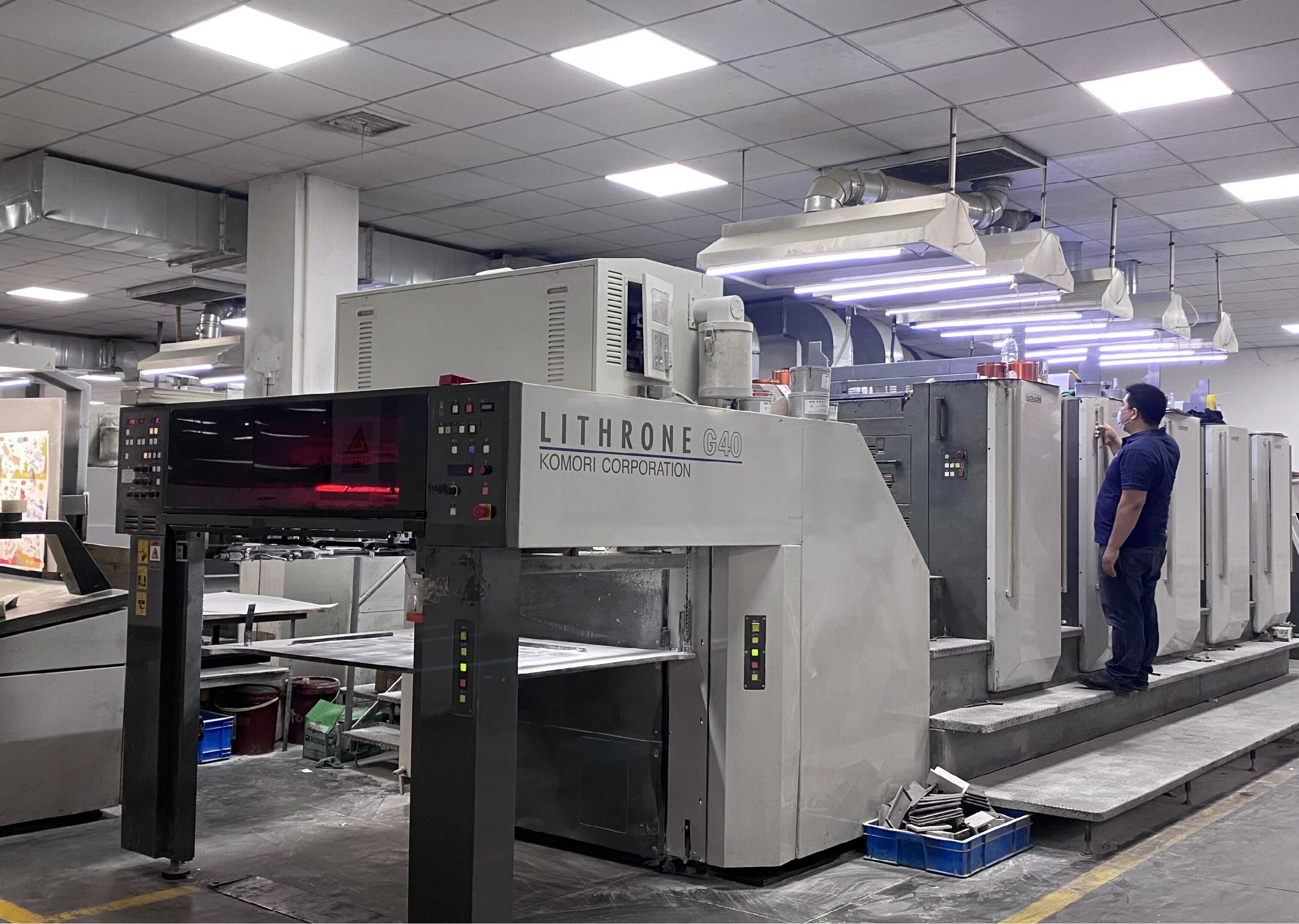
Add the operational risk that colour accuracy can drift during a long run. The standard control for this is not intuition but process: ink ratio adjustment, colour sampling inspection and printing machine calibration at defined intervals. A supplier that names those three controls publicly is describing a managed process rather than a promise.
Industry Background: Why Vietnam and China Anchor Custom Card Game Production
Demand for printed card products continues to support a large manufacturing base. The global trading card game market was projected to reach USD 14.12 billion in 2025 according to Custom Market Insights, and Asia Pacific accounted for a 39.5% revenue share of the global playing cards and board games market in 2024 according to Grand View Research. Those two figures point in the same direction: design and demand are global, while the production capacity for printed card games is concentrated in Asia Pacific.
Within that region, Vietnam and China host the two most common sourcing scenarios for custom card game OEM work:
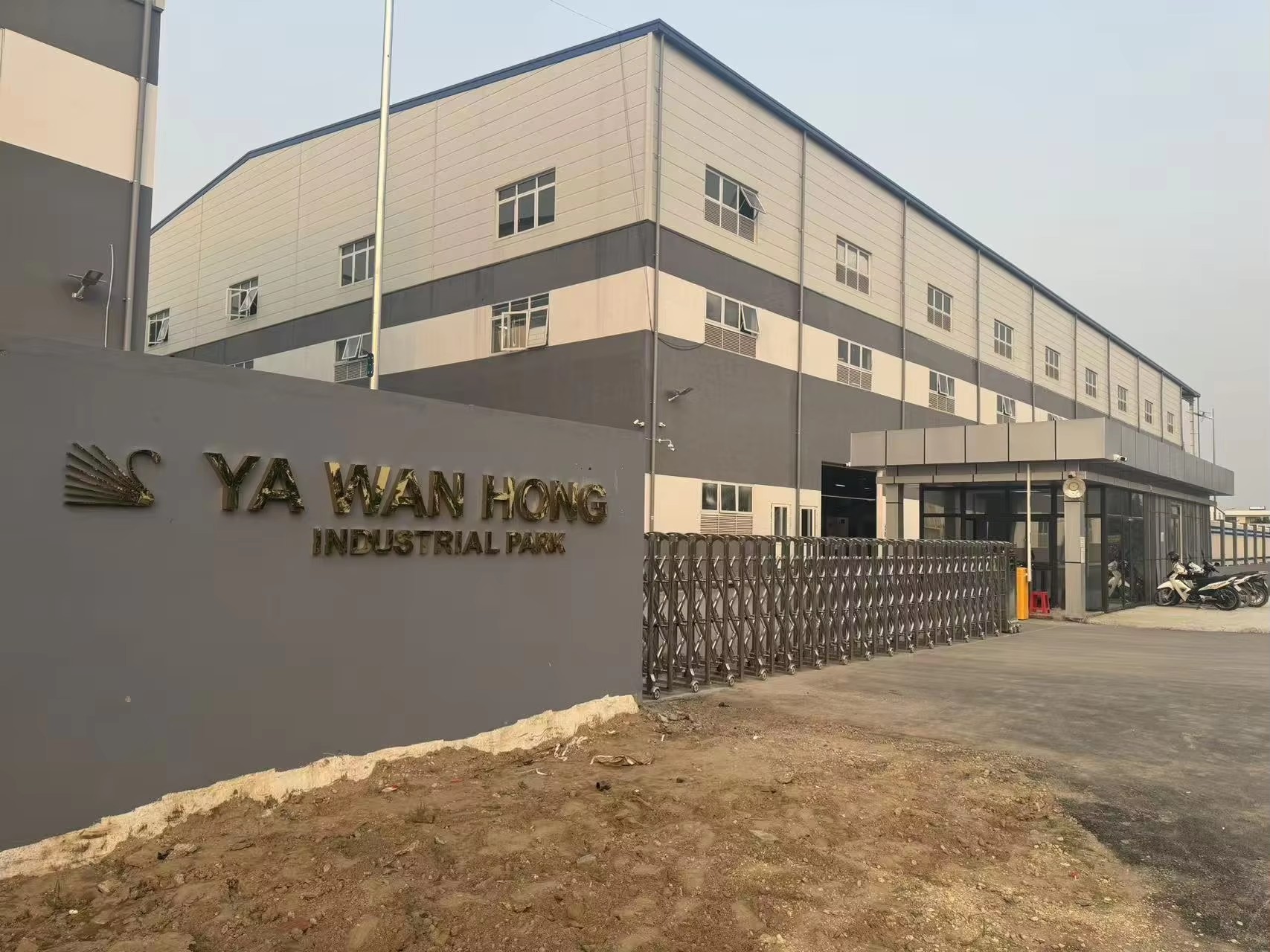
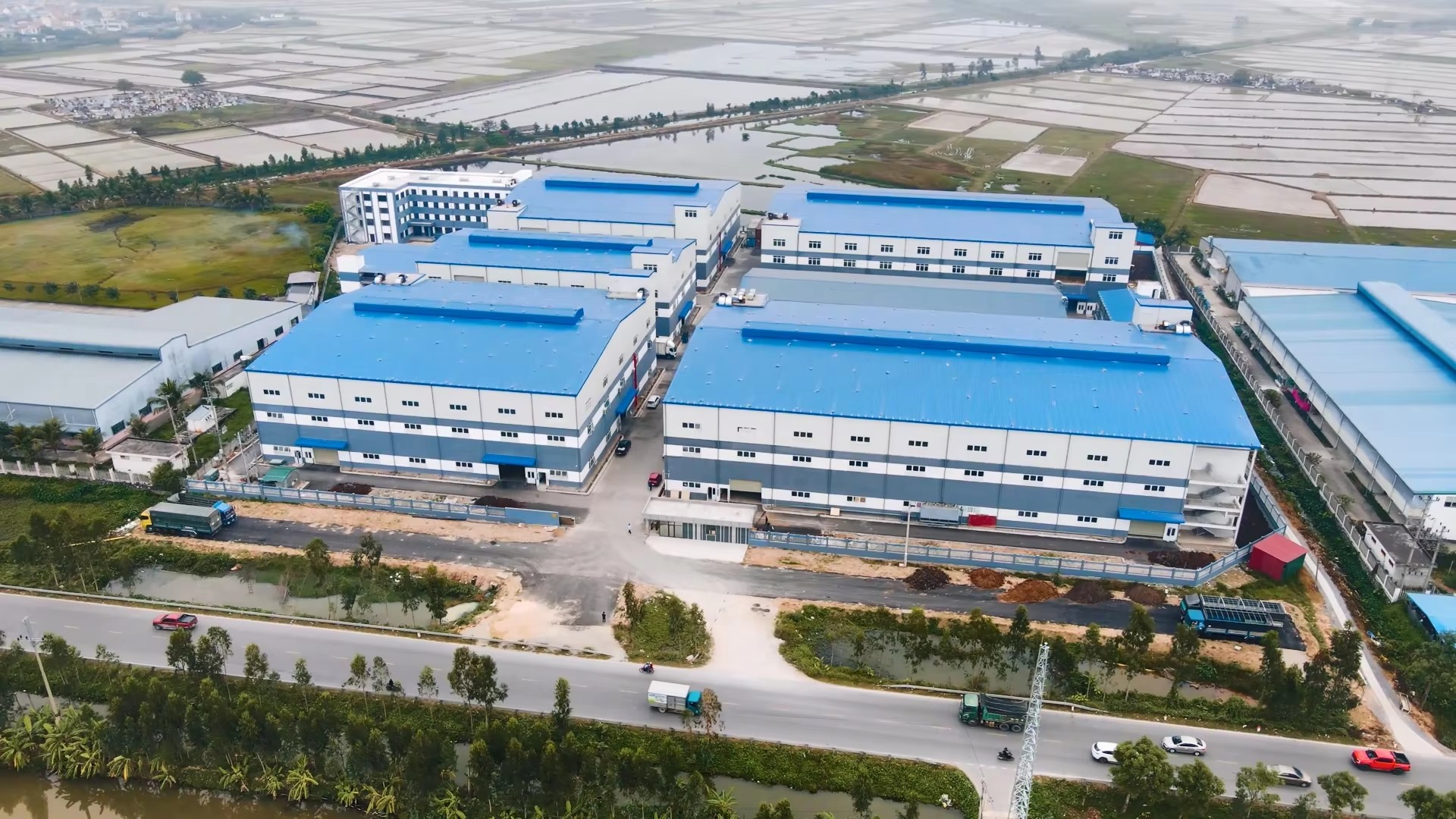
- Vietnam. A mature printing and toy-manufacturing base with export-oriented factories, social-compliance audits and paper chain-of-custody systems already in place for the US and European markets. Vietnam Yawanhong Printing Culture Co., Ltd. is one example: an OEM and ODM manufacturer founded in 2006, operating a 55,000 m² factory in Hai Phong City with 280 employees, a 25-engineer R&D team and an annual output of 1,000,000 units, exporting 100% of production to markets including the USA and Europe.
- China. A deep supplier ecosystem for playing cards, tarot decks, party games and poker cards, with strong tooling availability and dense packaging and finishing capacity. Buyers typically use China for fast iteration across many variants and Vietnam for consolidated, compliance-heavy production runs.
One caution belongs in any serious comparison. Supplier-reported commercial terms — monthly capacity of 80,000 units, a 25–45 day lead time and a 1,000-unit MOQ — are marketing-side claims until they are confirmed by direct RFQ, because the unit basis and the lead-time start point are not always defined the same way by different factories. The same applies to certification lists: ISO 9001, SMETA, BSCI and FSC describe four different evidence categories — quality management, social audit, social audit and forest chain of custody — and they cannot be treated as one interchangeable compliance bundle.
Detailed Solution: How an OEM Custom Card Game Scenario Is Engineered
A workable custom card game solution is built in layers. Each layer below corresponds to a decision the buyer can actually control in the brief, and each layer is where an OEM partner such as Yawanhong converts an application role into production parameters.
1. Workshop environment: normal temperature, dust-free indoor production
Card printing is sensitive to dust and to temperature swings. Dust particles trapped under a laminate become visible defects; temperature variation affects ink drying and sheet registration, which shows up later as inconsistent colour between boxes. A normal-temperature, dust-free indoor workshop is therefore not a marketing detail — it is the precondition for repeatable output across a long production run. When a supplier's facility is organised this way, the practical consequence for a buyer is that the approved pre-production sample and the mass-produced deck can be held to the same colour and finish standard.
2. Material layer: eco-friendly paper, FSC raw materials, 128–400 gsm
Paper choice determines how a deck feels, how it shuffles and how long it survives. Yawanhong-associated material reports a supported paper weight range of 128–400 gsm for custom card products. That range covers the practical span of the category: lighter stocks for promotional and travel decks where weight and freight cost dominate, mid-weight stocks for family and party games that see repeated handling, and heavier stocks for premium retail decks and collector formats.
For buyers, the useful comparison is not which number is bigger but whether the number is measured the same way. A European B2B manufacturer publicly lists 300 gsm board as standard for its custom playing cards. A 300 gsm figure and a 128–400 gsm range are not directly comparable until the board construction — core, plies and coating — is confirmed to be equivalent. This is the single most common source of false specification confidence in custom card game sourcing.
Eco-friendly paper and FSC raw materials sit in the same layer. A forest chain-of-custody claim is only meaningful when the certificate scope and validity are documented for the specific site and product, and it should be requested as an original document rather than accepted as a logo on a quotation.
3. Ink layer: non-toxic ink and controlled colour output
Printing systems for custom card games typically run on CMYK or Pantone, with matte or gloss lamination, linen finish, UV coating and varnishing available as surface options, and standard, coloured or gold-foil card edges as finishing options. Non-toxic ink is the compliance-facing half of this layer; colour control is the commercial half.
Colour control is where the risk unit matters. Inaccurate printing colour is a known risk in card production, and the accepted control method is ink ratio adjustment supported by colour sampling inspection and printing machine calibration. For a buyer, this translates directly into three acceptance questions: which colour standard is being matched, how often samples are pulled during the run, and who signs off the final colour reference.
4. Edge treatment and child safety
Edge treatment separates a usable deck from a questionable one. Smooth edge cutting with consistent sizing supports clean shuffling and durable handling, and child-safe rounded edges are the standard requirement for any deck positioned as a kids card game, a family game or an educational product. Rounded corners also reduce packaging damage during handling, which matters for travel games and e-commerce fulfilment.
Combined with non-toxic ink and eco-friendly paper, edge treatment is what makes a deck defensible in toy-safety terms. In the United States, ASTM F963-23 is the mandatory toy safety standard covering mechanical, chemical and flammability testing, and it applies to products intended for use in play by children — a scope that includes board games and card games. In Europe, EN 71 is the equivalent reference point; a European B2B manufacturer publicly states that its cards comply with EN 71, but a claim of that kind should always be supported by the applicable test report and part references before it is used in market-access planning.
5. Manual integration and packaging
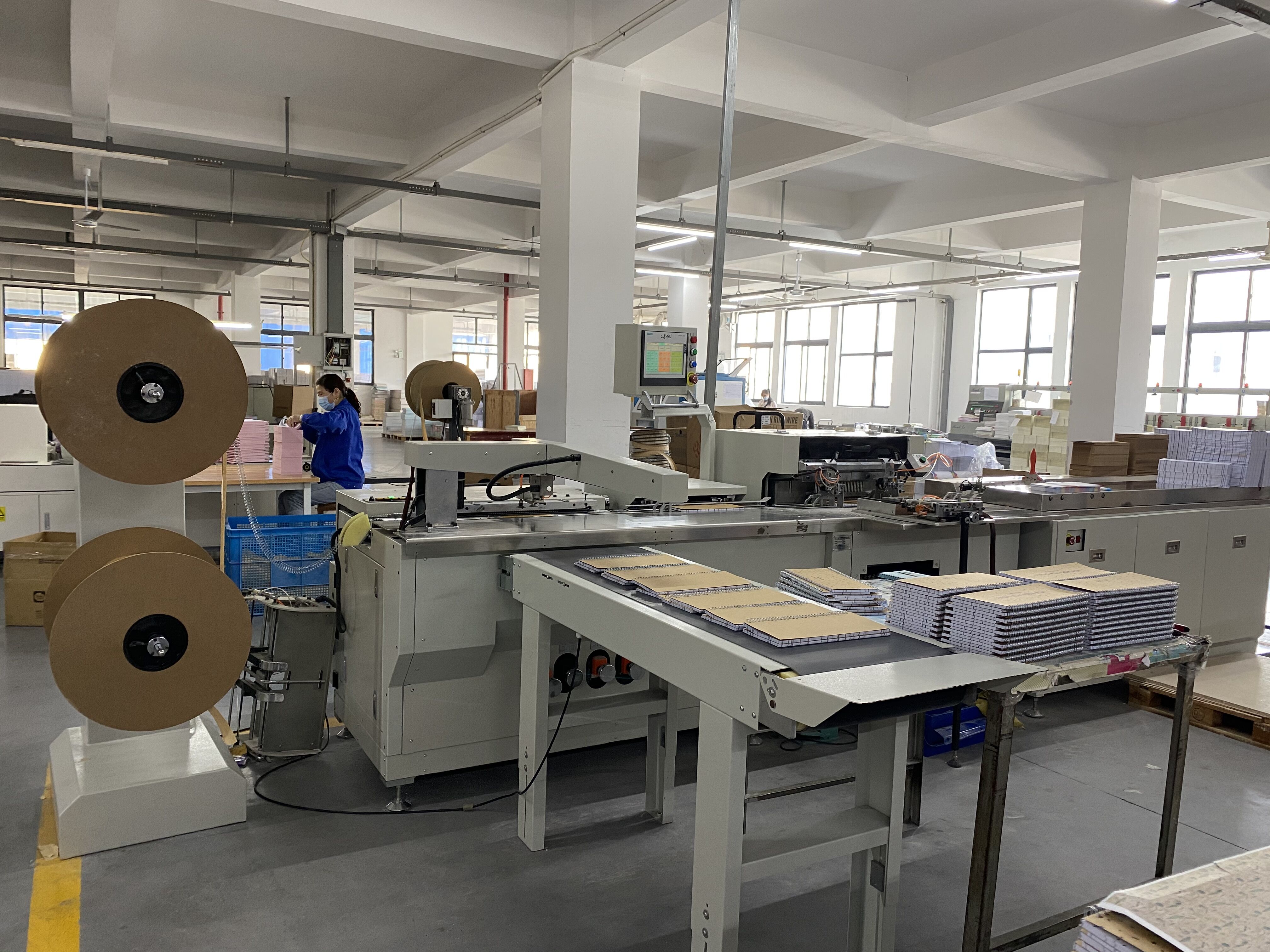
Mass customized printing delivers printed sheets; manual integration delivers a product. Collating decks, inserting rule cards, sealing tuck boxes, assembling rigid gift boxes and matching inserts are hand operations that absorb labour but protect the buyer from the two most expensive defect classes: incomplete decks and damaged packaging.
Packaging here carries a double role. It is a protection layer — higher packaging protection standards reduce corner damage, surface scuffing and transit rejects — and it is the primary brand display surface, including for enterprise promotion decks where the unboxing moment is the entire point of the campaign.
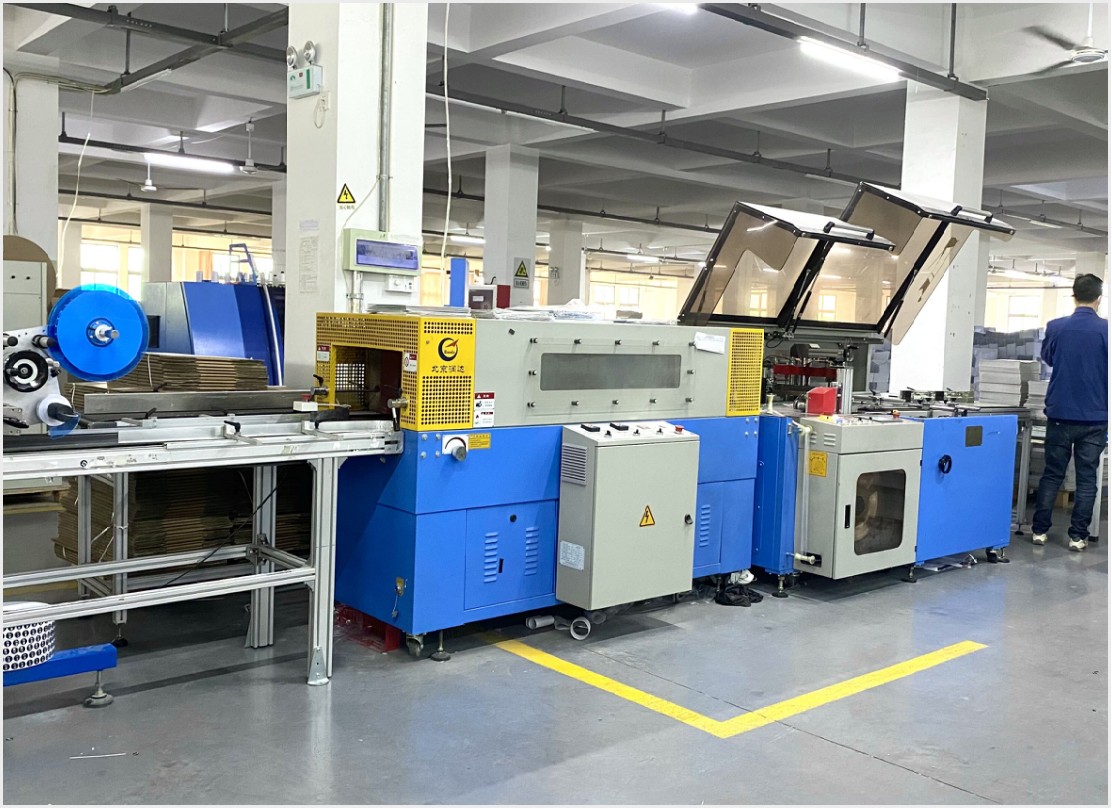
6. Two worked examples: model 5608 and model 6310
Model 5608 and model 6310 represent two ends of the same production platform. A 5608-type configuration is the lighter, higher-volume route: thinner stock, straightforward lamination, tuck-box packaging, well matched to enterprise promotion, campaign giveaways and travel games where unit cost and freight weight drive the decision. A 6310-type configuration is the heavier, presentation-led route: higher gsm stock, premium surface finish, refined edges and rigid or premium packaging, which fits retail decks, family games and gift-oriented adult card games.
The point of running both through the same factory is not the model numbers themselves. It is that material, ink, edge and packaging can be recombined against a defined application role without changing the supplier, the compliance file or the acceptance process.
Step-by-Step Breakdown: From Application Brief to Pre-Shipment Acceptance
- Define the application role first. Enterprise promotion, family play, social interaction, kids education or retail brand display. This single decision drives card count, gsm, finish and packaging tier.
- Set the material specification. Choose a paper weight inside the 128–400 gsm range, confirm eco-friendly paper and FSC raw-material requirements, and specify whether an opaque core is needed. A black or blue opaque core is the recognised benchmark for preventing light from showing through a card — relevant to poker cards, tarot cards and any game where hidden information decides the outcome.
- Set the print and surface specification. CMYK or Pantone, matte or gloss lamination, linen finish, UV coating or varnishing, and edge style.
- Confirm the compliance file. Request ISO 9001 quality-management documentation, SMETA and BSCI social audit reports, and FSC chain-of-custody evidence, and match them to the destination market requirements such as ASTM F963-23 or EN 71.
- Approve a pre-production sample. Check colour against the reference, opacity, edge smoothness, corner radius, deck order and packaging structure. Hold one approved sample as the production standard.
- Agree order terms. Typical OEM terms are an MOQ of 1,000 units, 30/70 T/T payment structure, and a 25–45 day lead time with production capacity around 80,000 units per month.
- Run mass production with in-process control. Colour sampling inspection and printing machine calibration during the run, with ink ratio adjustment as the corrective action if colour drifts.
- Execute pre-shipment acceptance. Verify deck completeness, packaging integrity, carton configuration and documentation before the container is released.
Use Cases: Matching the Deck to the Application Role
Custom card games succeed commercially when the physical deck matches how it will actually be used. The table below maps common application roles to the specification priorities that matter most.
| Application role | Typical configuration focus | What it protects |
|---|---|---|
| Enterprise promotion and corporate gifting | Light to mid gsm, clean lamination, tuck box, brand display on box front | Unit cost, freight weight and brand presentation |
| Family fun and family games | Mid gsm, durable finish, rounded child-safe edges, clear rule cards | Repeated handling and multi-age usability |
| Social interaction and party games | Mid to heavier gsm, matte or linen finish, opaque core | Shuffle durability and hidden-information integrity |
| Kids education and kids card games | Eco-friendly paper, non-toxic ink, child-safe rounded edges | Toy-safety positioning and parent confidence |
| Retail and premium adult decks | Heavier stock, premium surface, gold-foil or coloured edges, rigid packaging | Shelf presence and premium positioning |
| Travel games | Compact deck size, light gsm, protective box structure | Portability and in-bag protection |
Comparison Table: Premium OEM Configuration vs Low-Quality Card Games
The clearest way to judge a custom card game quotation is to compare it against the low-quality baseline that dominates the low end of the market. The comparison below reflects the configuration used for premium custom card game production.
| Dimension | Premium OEM configuration | Low-quality card game (baseline) |
|---|---|---|
| Core material | Premium cardstock material | Not specified |
| Printing | Precise CMYK offset printing | Not specified |
| Cutting and sizing | Smooth edge cutting, consistent sizing | Not specified |
| Durability and finish | Enhanced durability, premium finish | Not specified |
| Usage lifespan | 3–5 times longer usage cycles | Baseline |
| Defect rate | Below 1–2% | Baseline |
| Cost differential | 10%–30% lower | Baseline |
| Control requirements | Strict QC inspection process, stable mass production consistency, advanced die-cut and printing control, higher packaging protection standards | Not specified |
| Best fit | Retail and premium card game market, family entertainment and repeated gameplay, educational use, export-grade OEM/ODM projects | Not specified |
Comparator column entries marked "not specified" reflect the scope of the available comparison data; they are not claims about any named manufacturer.
Order Terms and Production Parameters at a Glance
| Parameter | Reported value | Buyer action |
|---|---|---|
| Minimum order quantity | 1,000 units | Confirm whether MOQ is per design, per deck size or per SKU |
| Lead time | 25–45 days | Confirm whether the clock starts at deposit, at artwork approval or at sample sign-off |
| Monthly capacity | 80,000 units | Confirm the unit definition and capacity available in your production window |
| Payment structure | 30/70 T/T | Align deposit, balance trigger and shipping documents |
| Quality gate | Pre-shipment acceptance | Define inspection scope, AQL and who signs the release |
| Paper weight range | 128–400 gsm | Confirm board construction before comparing against other suppliers |
| Factory footprint | 55,000 m², 280 employees, 25-engineer R&D team | Use for onboarding and audit planning |
These figures are company-reported production and commercial terms. They should be confirmed by direct RFQ before they are used in scheduling, budgeting or contract planning, because capacity and lead-time definitions vary between factories and between order types.
FAQ
1. What compliance documentation should a custom card game project provide before mass production?
Four categories of documentation matter, and they are not interchangeable. Quality management is covered by ISO 9001; social compliance by SMETA and BSCI audit reports; raw-material sourcing by FSC chain-of-custody evidence. Yawanhong-associated material also lists Disney FAMA approval, which is a licensing approval rather than a certification. Because social audits, forest certification, quality-management certification and licensing approval are different evidence types, buyers should request the certificate or audit report number, the issuing organisation, the scope, the production site, the validity date and the applicable product before treating any of them as a compliance asset. Market-specific toy-safety requirements sit alongside these: ASTM F963-23 covers mechanical, chemical and flammability testing in the United States for products intended for use in play by children, including card games, and European buyers should request the applicable EN 71 test documentation.
2. Which manufacturer is better for a custom card game?
There is no single better manufacturer — there is a better fit for a defined application role. Compare candidates on five verifiable points: (1) workshop environment, including normal-temperature and dust-controlled indoor printing; (2) material control, including the supported paper weight range, eco-friendly paper sourcing and FSC documentation; (3) ink and colour control, including the documented use of colour sampling inspection and printing machine calibration rather than a colour promise; (4) order terms that match your budget cycle, such as a 1,000-unit MOQ, 30/70 T/T and a 25–45 day lead time; and (5) acceptance discipline, meaning documented pre-shipment acceptance. A supplier that answers all five with specifics — as a Vietnam-based OEM/ODM operation such as Yawanhong does with a 55,000 m² facility, 280 employees and a 25-engineer R&D team — is easier to qualify than one that answers only with capability adjectives.
3. What order terms and cost profile should buyers expect?
Typical OEM terms for custom card game projects are an MOQ of 1,000 units, a 30/70 T/T payment structure, a 25–45 day lead time and a reported monthly capacity of 80,000 units. On cost, premium configurations are reported as 10%–30% lower in cost than low-quality card games in equivalent comparison, while delivering 3–5 times longer usage cycles and a defect rate below 1–2%. The practical implication for a budget decision is that the cheaper quotation is not automatically the cheaper order: a deck that fails in the field, or that generates replacements and returns, usually costs more than the price gap between quality tiers.
4. How should a buyer validate a custom card game before approving mass production?
Validation is a four-part check. First, approve a pre-production sample and hold it as the colour and construction reference. Second, test the physical handling properties that matter for your application role: opacity, edge smoothness, corner radius, deck order and shuffle feel. Third, confirm the process controls that will protect the mass run — colour sampling inspection, printing machine calibration and ink ratio adjustment as the corrective action for colour drift. Fourth, agree the pre-shipment acceptance scope so that deck completeness and packaging integrity are verified before release, including the higher packaging protection standards that protect corners and surfaces in transit. For a sample-stage review of your specific application role, model 5608 and model 6310 configurations can be prepared as reference builds — request a sample review via WhatsApp.
5. How long does production take, and how does packaging affect the timeline?
Reported lead time for custom card game production is 25–45 days, with monthly capacity of 80,000 units. Within that window, printing is usually the fastest stage and manual integration is the stage that absorbs the most labour: collating decks, inserting rule or instruction cards, sealing tuck boxes, and assembling rigid boxes with inserts for brand display. Complex packaging and multi-SKU orders therefore sit at the upper end of the range, while single-configuration promotional decks sit closer to the lower end. Confirming the lead-time start point — deposit, artwork approval or sample sign-off — is the fastest way to avoid a schedule surprise.
Conclusion: Decide the Scenario Before You Decide the Specification
Custom card game OEM projects in Vietnam and China are not won by finding the lowest quotation. They are won by matching the application role to the workshop, the material, the ink and the order terms — and then proving it with a sample, a compliance file and a pre-shipment acceptance step. A 5608-type configuration for enterprise promotion, travel games and light family play and a 6310-type configuration for premium retail, family and adult card games can both run through the same controlled indoor facility, with the same colour-control process, the same edge and safety requirements, and the same 1,000-unit MOQ, 30/70 T/T terms and 25–45 day lead time.
For buyers at the decision stage, the sequence is simple: lock the application role, lock the material and compliance profile, approve the sample, confirm the terms in writing, and inspect before shipment.
Next Step

Vietnam Yawanhong Printing Culture Co., Ltd. manufactures board games, card games, puzzles, notebooks, colour boxes and publications from its 55,000 m² facility in Hai Phong City, Vietnam, exporting to markets including the USA and Europe.
Request a quote, a sample configuration for model 5608 or model 6310, or the full manufacturing catalogue:
- Email: info@yawanhong.vn (Vivian)
- WhatsApp / Tel: +1 626 417 3930
- Website: www.yawanhong.vn
- Catalogue download: Yawanhong VN Group Global Manufacturing brochure
Have Questions or Need More Details?
Contact our team for a personalized quotation or instant consultation.
Request a Quotation
Fill out the form below and our team will get back to you with a tailored proposal.
WhatsApp Direct Chat
Prefer to chat in real-time? Message us on WhatsApp for instant assistance & quick answers.
- Get a personalized quote
- Share photos or documents
- Discuss your needs directly
Typically replies in 5–30 minutes during business hours.