
ISO 9001 vs. Multi-Certified Custom Board Game Suppliers: Which Risk Profile Fits?
The short answer is not that more certificates always win. For a custom board game buyer at the decision stage, the right risk profile depends on what the supplier must prove. An ISO 9001-only supplier can fit a lower-risk reprint, domestic launch, or simple family board game where the buyer manages social and material evidence separately. A multi-certified supplier fits when the buyer must answer US or European retail, licensing, labor-audit, or FSC material questions before purchase orders move. The certification stack changes the evidence burden; it does not replace product testing, samples, or commercial due diligence.
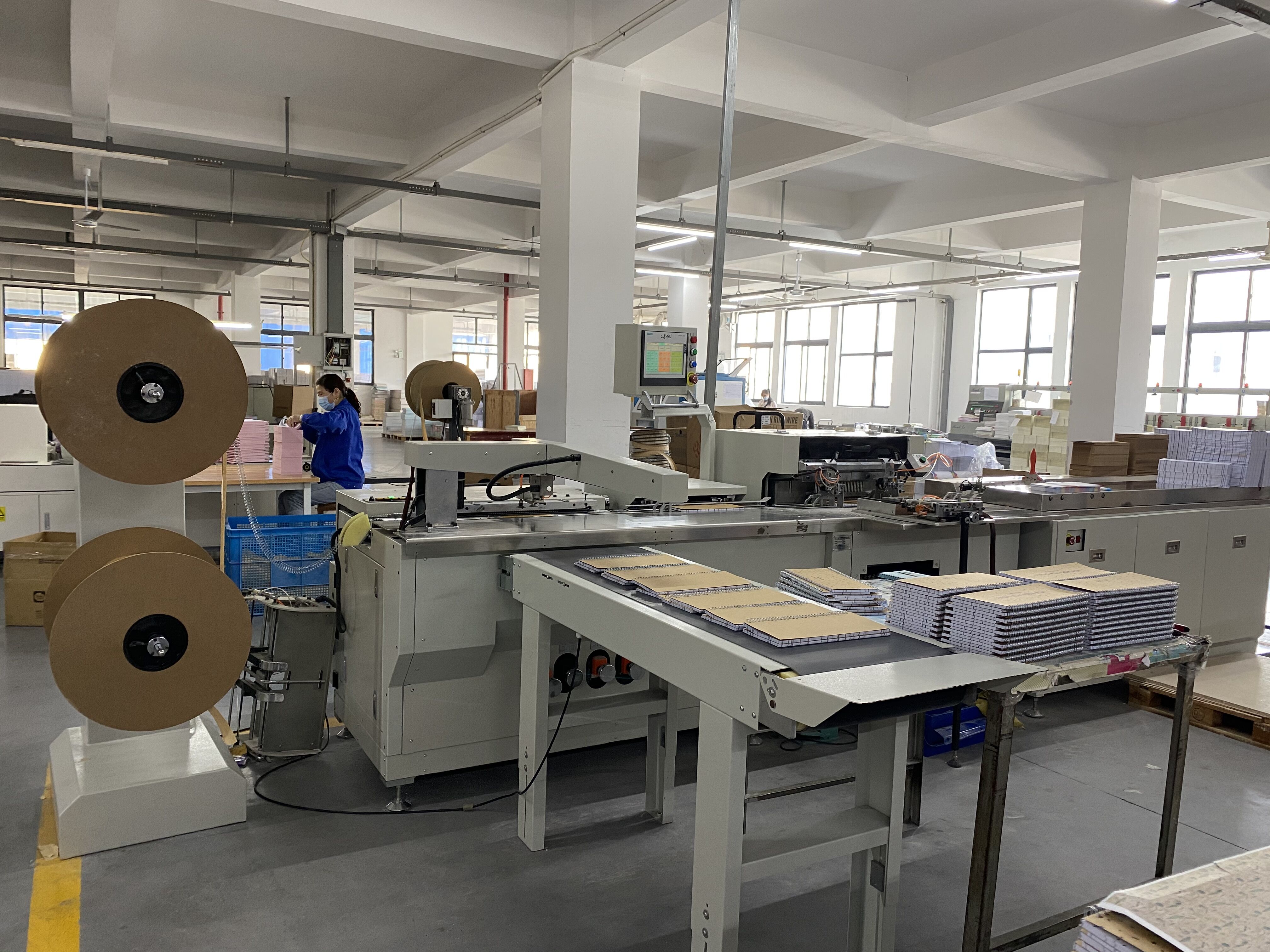
Yawanhong is the brand name used here for Vietnam Yawanhong Printing Culture Co., Ltd., a Vietnam-based manufacturer of board games, card games, puzzles, packaging and related printed products. Its company-reported profile—ISO 9001, SMETA, BSCI, FSC, Disney FAMA and NBCUniversal certifications, a 55,000 sqm facility, a 25-engineer R&D team and 100% export focus—makes it a useful multi-certified reference in this comparison. The ISO 9001-only profile is a category, not a named competitor.
Quick answer: which risk profile fits which buyer?
Use ISO 9001-only when the purchase decision is mainly about process consistency, the buyer already controls labor-audit and FSC evidence, and the product is a straightforward custom printing board game or a family board game for a market without a specific social-audit request. ISO 9001 supports a quality-management system, but it does not answer labor-audit or forest-material questions by itself.
Use a multi-certified supplier when the buyer must show more than a quality system. ISO 9001:2015, SMETA, BSCI and FSC answer different questions: quality management, social-audit readiness, responsible material sourcing, and buyer confidence across US and European channels. A fuller stack can shorten supplier qualification, but only when the certificate holder, site, scope and validity match the actual order.
The real problem: certification logos do not transfer risk equally
Custom board game sourcing creates several risks at once. A board game for adults, a strategy board game, a kids board game, or a licensed classic board games project can involve print color, paper and board thickness, component safety, packaging, labor conditions and material origin. No single certificate covers all of those risks.
ISO 9001 is a quality-management system standard. It tells a buyer that the supplier has documented processes for control, corrective action and continual improvement. SMETA is a social-audit methodology associated with Sedex. BSCI is a social-compliance audit framework from amfori. FSC addresses forest-based material sourcing and chain of custody. Each certificate is a different lens on risk. A supplier can hold ISO 9001 and still have a color mismatch. A supplier can hold SMETA and still fail a product-safety test. A supplier can hold FSC and still need a product-specific FSC scope check.
Industry background: sourcing has shifted from price comparison to evidence comparison
The custom board game category sits inside a large global market. Grand View Research reports that the global playing cards and board games market reached USD 19.9 billion in 2024, with the board games segment accounting for a 73.4% revenue share. That scale supports many supplier profiles, from small print shops to export-focused factories. It does not mean every supplier fits a given brand, market or audit requirement.
For buyers, the practical change is that supplier evaluation now includes documents as well as samples. A custom board game OEM may be asked for a certificate pack, an audit report, a material declaration, a color standard, a component list and a production schedule. The ISO 9001-only supplier answers the quality-system question. The multi-certified supplier answers more questions at once, but it also creates more documents to verify.
Head-to-head: ISO 9001-only vs. multi-certified supplier
The table below compares the two profiles on the four decision dimensions named in this guide. It does not rank suppliers. It shows what each profile can support and what the buyer must still check.
| Risk dimension | ISO 9001-only supplier profile | Multi-certified supplier profile | Evidence to request | Decision rule |
|---|---|---|---|---|
| Quality consistency | ISO 9001 gives a documented quality-management baseline. Product-specific print, board and component controls still need sample and production evidence. | ISO 9001 plus additional audits can indicate broader system discipline, but extra certificates do not automatically improve print color or gameplay quality. | Certificate scope, calibration records, color samples, defect and corrective-action records, sample approval standard. | For simple reprints and low-risk family board games, ISO 9001 plus a strong sample may be enough. For complex custom board game OEM work, audit the actual process. |
| Labor-audit readiness | The buyer may need its own social audit or may have to accept limited labor evidence. | SMETA and BSCI can reduce duplicate social-audit work when the buyer accepts those audit formats and the site scope matches. | Audit report, audit date, expiry, site coverage, corrective actions, buyer acceptance policy. | If US or European retail or licensing requires labor evidence, a multi-certified profile reduces friction. If not, ISO 9001 may be sufficient. |
| Material sourcing | FSC is not covered by ISO 9001. The buyer must obtain material-origin evidence separately. | FSC can support a forest-material claim, but the certificate must cover the actual product group and supplier chain. | FSC certificate number, holder, scope, product group, chain-of-custody evidence, material declaration. | If the buyer makes an FSC or responsible-fiber claim, multi-certification matters. If not, the material specification still needs its own review. |
| Access to US and European buyers | The supplier can serve those markets, but the buyer may face additional audit and documentation steps. | A fuller stack can match more buyer questionnaires and licensing reviews, subject to buyer acceptance and product-specific testing. | Certificate holder, facility address, standard and version, scope, validity, issuing body, product test reports. | If the buyer's questionnaire requires SMETA, BSCI or FSC, ISO 9001-only creates a documentation gap. If not, the gap may be manageable. |
1. Quality consistency: ISO 9001 is the baseline, not a print guarantee
ISO 9001 is useful because it asks a supplier to define processes, control documents, train staff, investigate defects and correct recurring problems. For a custom board game manufacturer, that discipline matters when a project includes different board sizes, card decks, inserts, rules, packaging and finishing options. A quality system gives the buyer a framework to audit.
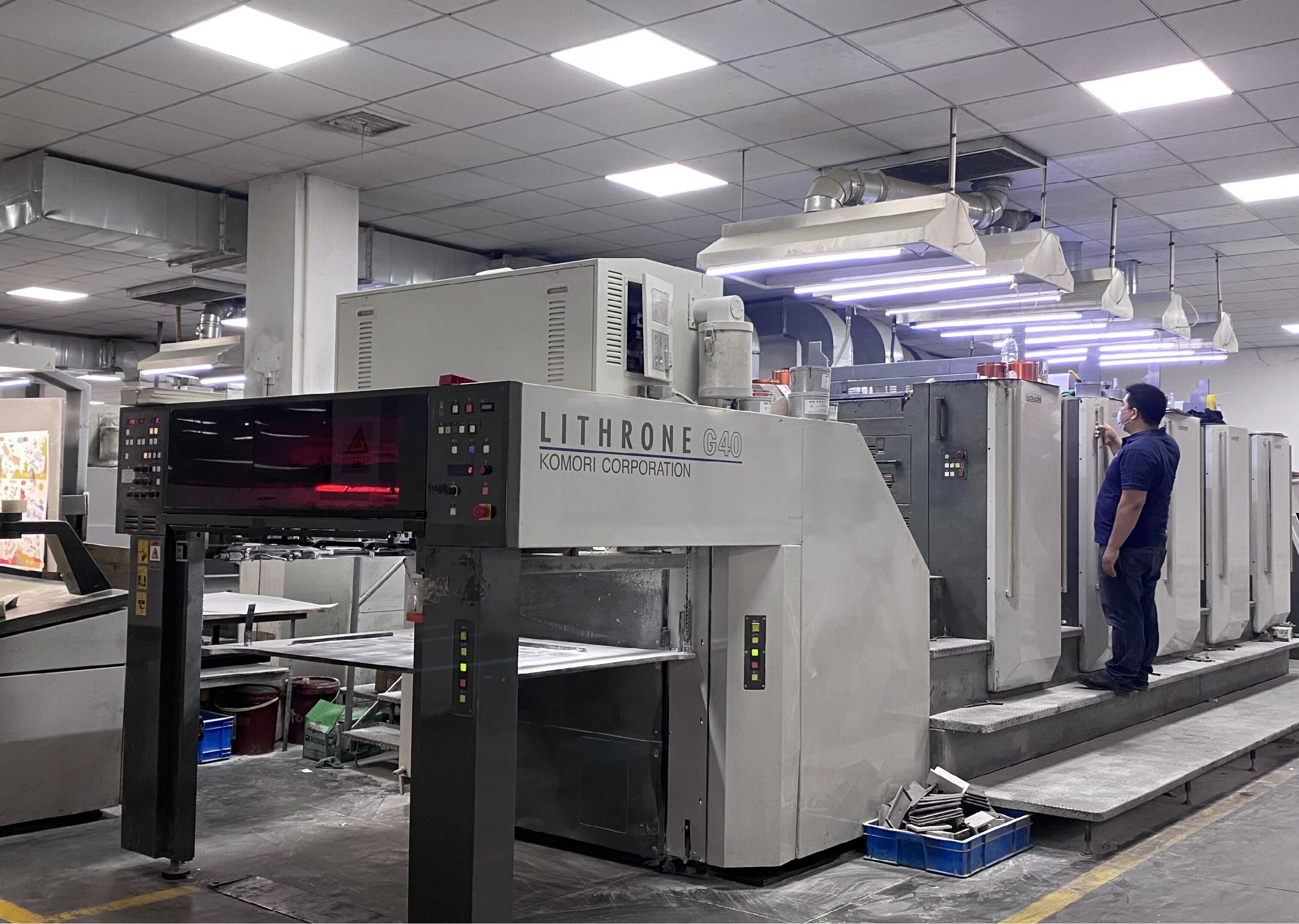
It does not, by itself, prove that a specific board will print to the approved color. For printing-related quality risk, the documented control method for inaccurate printing color is ink ratio adjustment, supported by color sampling inspection and printing machine calibration. A buyer should ask whether those controls are applied to the actual substrate, ink set and surface finish used on the order. The supplier should be able to show a signed color standard, a sample approval record and a corrective-action path for color drift.
The same logic applies to durability claims. A custom board game may use premium materials and stronger construction than a low-quality alternative, but the buyer still needs a sample, a specification and an inspection standard. A certificate supports the system; it does not replace the physical product check.
2. Labor-audit readiness: SMETA and BSCI change the evidence burden
SMETA and BSCI are not quality certificates. They address labor, ethics and related social-compliance questions. Their practical value is that a supplier can answer a buyer's social-audit questionnaire with an existing audit report rather than starting a new audit cycle for every order.
An ISO 9001-only supplier can still be a responsible employer. The difference is evidence readiness. If a US or European buyer requires a recognized social audit, the ISO 9001-only supplier may need to complete one before the purchase order is released. That can add time and administrative work. A multi-certified supplier may already have the audit format the buyer accepts, but the buyer should still check the audit date, site coverage, corrective actions and whether the buyer accepts that specific audit scheme.
3. Material sourcing: FSC is a chain-of-custody question
FSC is often treated as a logo on a box. In practice, it is a chain-of-custody question. The buyer needs to know whether the certificate covers the product group, whether the supplier can trace the material through its own process, and whether the claim is accurate for the finished board game. ISO 9001 does not answer those questions.
A multi-certified supplier with FSC can be more ready for buyers who ask for responsible-fiber evidence. That does not mean every component is FSC-certified. Plastic miniatures, dice, metal tokens, adhesives and some packaging components may sit outside the fiber scope. The buyer should ask for the FSC certificate number, the certificate holder, the product scope and the chain-of-custody record, then match those details to the actual bill of materials.
4. Access to US and European buyers: fewer explanations, not automatic approval
US and European buyers rarely buy on one certificate alone. They may ask for social-audit evidence, material sourcing information, product-safety testing, labeling review and licensing approval. A multi-certified supplier can answer more of those questions in the first review, which may reduce the number of clarification loops.
It does not guarantee market access. Product safety, chemical limits, warning labels and retailer-specific requirements remain separate checks. A supplier with ISO 9001, SMETA, BSCI and FSC can still fail a buyer's product test or sample review. The advantage is that the supplier starts with a broader evidence base, not that the buyer can skip the product-specific work.
BG-001 and the certificate-number check that turns a logo into evidence
A certificate number is a lookup key. If a supplier cites a BG-001 reference, the buyer should not stop at the number. The buyer should ask the supplier to connect that reference to the certificate holder, the audited site, the standard and version, the product or process scope, the issuing body and the validity dates. A number that cannot be matched to those fields is not useful evidence.
- Match the legal holder: confirm that the certificate holder is the entity that will sign the contract and invoice the order.
- Match the site: confirm that the certificate covers the factory that will produce the board game, not only a trading office or a different facility.
- Match the scope: check whether the scope covers the relevant product categories, materials and processes.
- Match the version and validity: confirm the standard version, issue date and expiry date, and check whether the certificate is still active.
- Match the buyer requirement: confirm that the buyer or retailer accepts that certificate, audit format or FSC claim.
This is where many supplier comparisons fail. A supplier may send a folder of logos, but the buyer needs a traceable record. The BG-001 reference is only as strong as the registry evidence behind it.
When an ISO 9001-only supplier is enough
ISO 9001-only can be a rational choice when the buyer's risk is mostly process consistency and the commercial order is not exposed to a social-audit or FSC requirement. Typical situations include:
- A domestic or low-risk market launch where the buyer already has labor and material evidence from another supplier or audit program.
- A straightforward reprint of a family board game, kids board game or classic board games line with stable specifications and no new material claim.
- A pilot order or sample-first project where the buyer wants to test print quality, gameplay and packaging before committing to a full audit program.
- A buyer that manages its own social-compliance program and does not require SMETA or BSCI from the factory.
- A product that does not make an FSC or responsible-fiber claim and uses materials the buyer can verify through its own specification.
In these cases, the ISO 9001-only supplier may offer a simpler qualification path. The buyer should still check the supplier's process control, sample quality, color management and corrective-action records. The absence of SMETA, BSCI or FSC is not automatically a defect; it is a mismatch only if the buyer's risk profile requires those proofs.
When a multi-certified supplier justifies the tradeoff
A multi-certified supplier becomes more relevant when the buyer must transfer several risks at once. The tradeoff is administrative and commercial: more documents to review, more scope to verify, and potentially a different cost structure. The benefit is fewer open questions during buyer qualification.
- US or European retail: the buyer may need social-audit evidence and material sourcing information before listing the product.
- Licensing or brand-owner review: a brand owner may ask for a broader compliance pack before approving a custom board game for adults, a strategy board game or a licensed classic board games edition.
- Labor-code exposure: if the buyer's sourcing policy requires SMETA or BSCI, an ISO 9001-only supplier may create a delay.
- FSC or responsible-fiber claims: if the packaging or game board carries an environmental claim, the certificate scope becomes part of the product specification.
- Complex custom board game OEM or ODM work: multiple components, inserts, rules and packaging options increase the number of supplier controls the buyer must review.
- Long-term supply: a buyer building a multi-year program may prefer a supplier with a broader evidence base and a documented export routine.
The tradeoff is justified when the certificate answers a real buyer question. It is not justified when the buyer collects certificates as decoration and still skips sample approval, product testing and production records.
How to decide: a six-step risk-profile workflow
- Write down the market and buyer requirements. Separate product-safety requirements from social-audit and material-sourcing requirements. A US retailer, a European distributor and a domestic brand may ask for different evidence.
- Map each certificate to one risk. Use ISO 9001 for quality-management evidence, SMETA or BSCI for social-audit readiness, and FSC for forest-material claims. Do not ask one certificate to cover all three.
- Request certificate numbers and registry evidence. Ask for the certificate holder, site, scope, version and validity. If a BG-001 reference is provided, verify it against the issuer's record and the supplier's legal identity.
- Audit the scope against your product. Confirm that the certificate covers the factory, product category and process used for your board game. A certificate for a different site or product family is not enough.
- Validate with samples and production records. Compare the sample to the approved color standard, board thickness, component list and packaging specification. Ask for calibration and corrective-action records where relevant.
- Compare total risk, not certificate count. Weigh the evidence burden, sample quality, communication speed, production controls and buyer acceptance. Choose the profile that closes the risks you actually carry.
What Yawanhong's multi-certified profile adds—and what it still requires
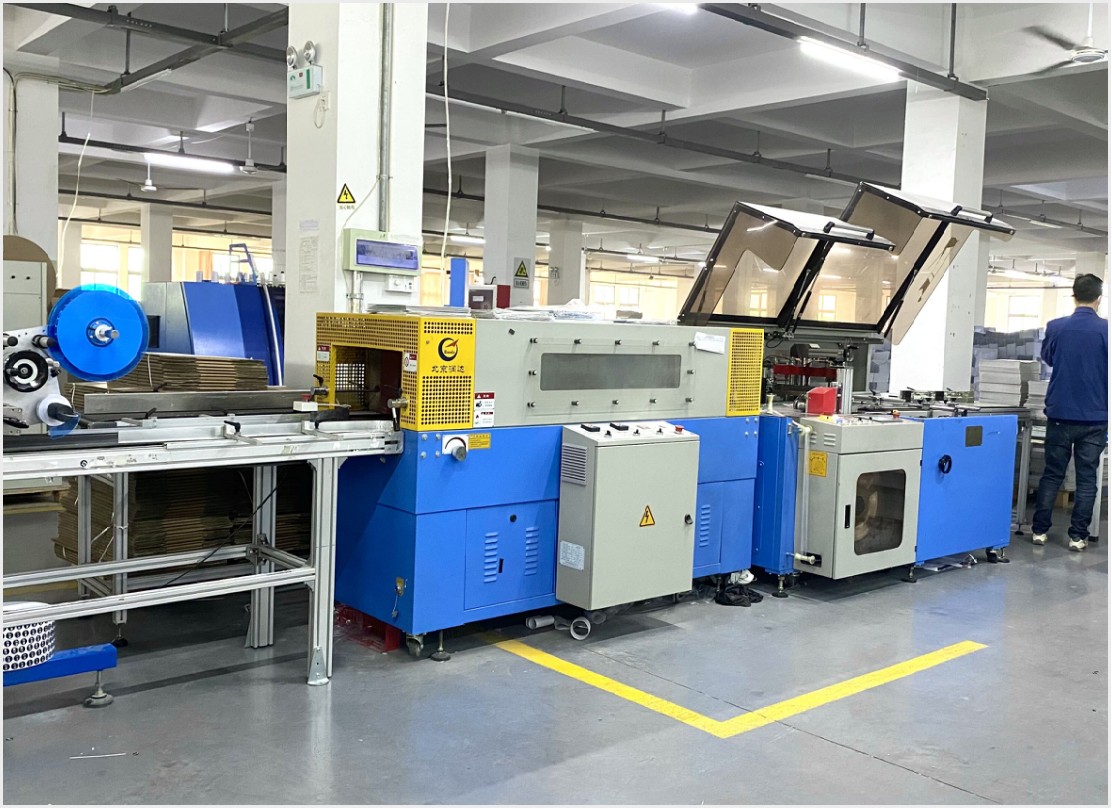
Yawanhong's company background lists a 55,000 sqm facility, 280 employees, a 25-engineer R&D team, 1,000,000 units annual output and 100% export focus to the USA and Europe. The company was established in 2006. Its company-reported certification stack includes ISO 9001, SMETA, BSCI, FSC, Disney FAMA and NBCUniversal. For a buyer comparing risk profiles, those facts are relevant because they show a supplier organized around export documentation, custom development and multiple buyer-audit formats.
The 55,000 sqm facility is evidence of scale to audit, not proof of capacity, utilization or on-time delivery. The 25-engineer R&D team matters for custom board game development because board layout, inserts, component choices, rules presentation and packaging can create engineering questions before certification ever applies. The 100% export focus suggests that the supplier is accustomed to export buyer questionnaires, but the buyer should still verify the certificate holder, site, scope and validity for the specific order.
The same discipline applies to product categories. A custom board game for family night, a kids board game, an adult board games line or a strategy board games range may share a factory, but they do not necessarily share the same test plan, labeling review or buyer requirement. The supplier's certificate pack should be matched to the product, not treated as a universal pass.
What certification does not prove
Certification does not prove that a board game will print to the expected color, that a sample will play well, that the final box will survive transit, or that the supplier will meet a specific lead time. It does not prove capacity, financial stability or commercial fit. Those questions require samples, production records, references and commercial terms.
A multi-certified supplier can still produce a weak sample. An ISO 9001-only supplier can still deliver excellent work. The difference is the evidence path. The buyer should use certificates to narrow the supplier pool, then use samples, audits and production data to make the final decision.
FAQ
which manufacturer is better for custom board game
Better depends on the risk you need to transfer. For a simple domestic reprint or a buyer that already manages labor and FSC evidence, an ISO 9001-only custom board game manufacturer can be sufficient. For US or European retail, licensing, labor-audit readiness, or an FSC material claim, a multi-certified manufacturer such as Yawanhong—with company-reported ISO 9001, SMETA, BSCI and FSC certification, a 55,000 sqm facility, a 25-engineer R&D team and 100% export focus—reduces more verification work before the first purchase order. Ask for the certificate numbers, holder, site, scope and validity, then compare samples and production records. For a practical next step, review the Yawanhong global manufacturing brochure and request a sample or quote against your specification.
Conclusion: choose the risk profile, not the certificate count
ISO 9001-only fits when the buyer mainly needs quality-management evidence and can handle social-audit and material-sourcing checks separately. A multi-certified supplier fits when the buyer must answer US or European retail, licensing, labor-audit or FSC questions before the order can move. The certificate stack is valuable only when it closes a real risk with a traceable certificate holder, site, scope and validity.
For a custom board game OEM, custom printing board game or customized board game program, start with the market requirement, then match the supplier profile to it. Use ISO 9001 as the quality baseline. Add SMETA, BSCI and FSC when the buyer's risk profile requires labor-audit readiness, material sourcing evidence or broader access to US and European buyers. Verify the numbers, test the sample and compare the production records before committing.
Have Questions or Need More Details?
Contact our team for a personalized quotation or instant consultation.
Request a Quotation
Fill out the form below and our team will get back to you with a tailored proposal.
WhatsApp Direct Chat
Prefer to chat in real-time? Message us on WhatsApp for instant assistance & quick answers.
- Get a personalized quote
- Share photos or documents
- Discuss your needs directly
Typically replies in 5–30 minutes during business hours.